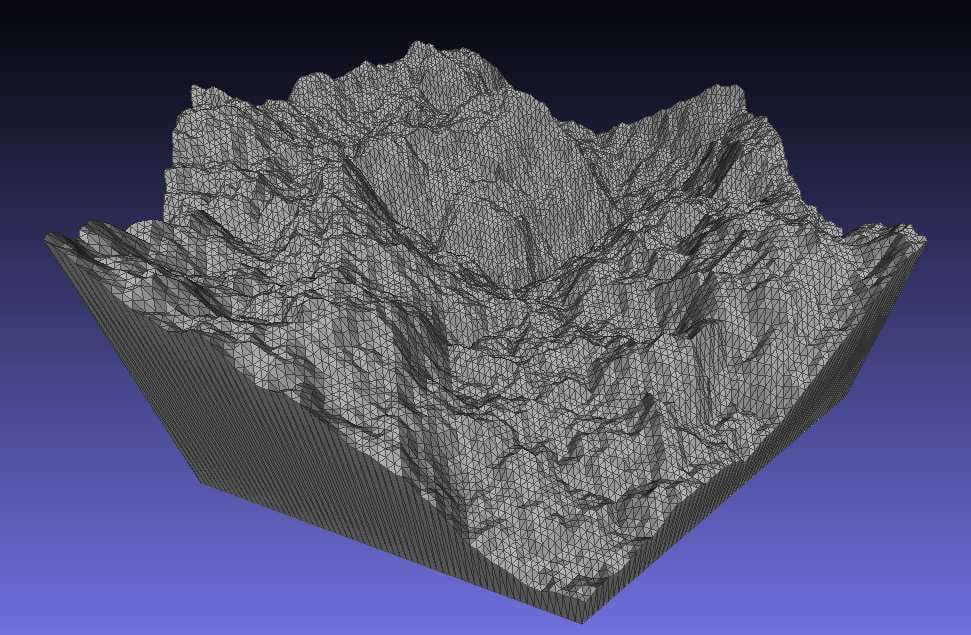
This week we take a look at very early computer generated imagery, its origins and how its invention was influenced by earlier modes of moving image making. During this lecture we will explore how developments with fractals help move 3D graphics from blocky low polygon shapes to much more naturalistic results.
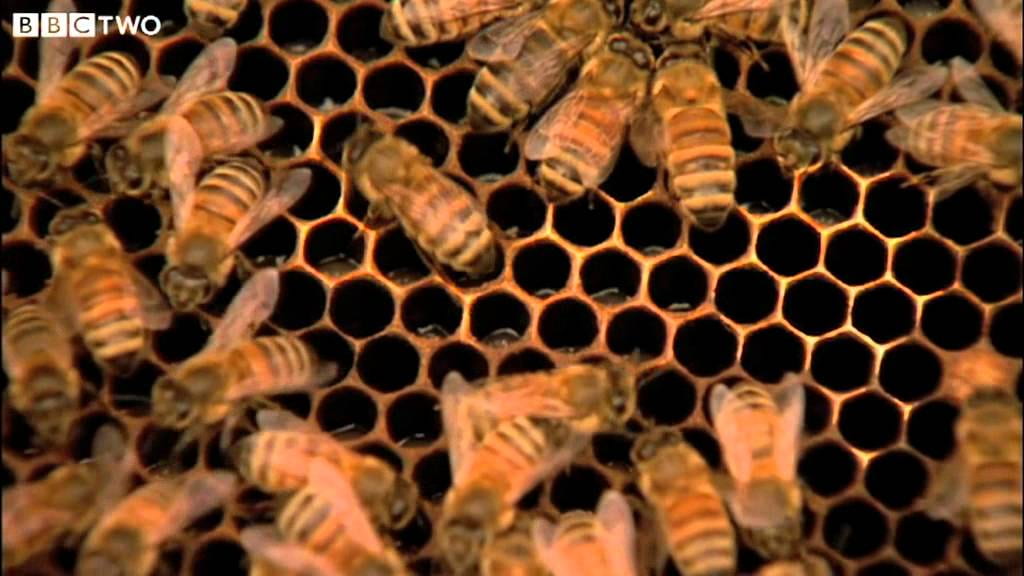
Watch the Episode: The Code (2011) Episode: Shapes, by Marcus du Satoy
Please have a look the following documentary:
The Code (2011) Episode: Shapes
I would recommend watching the whole series, but the Shapes episode is the most relevant to this weeks topic. The section on Fractal patterns in CGI is the part you need to watch and study. Can you figure out why fractals are so important to CGI and digital landscape generation in particular? We will discuss in the class.
- Review of last weeks consolidate homework.
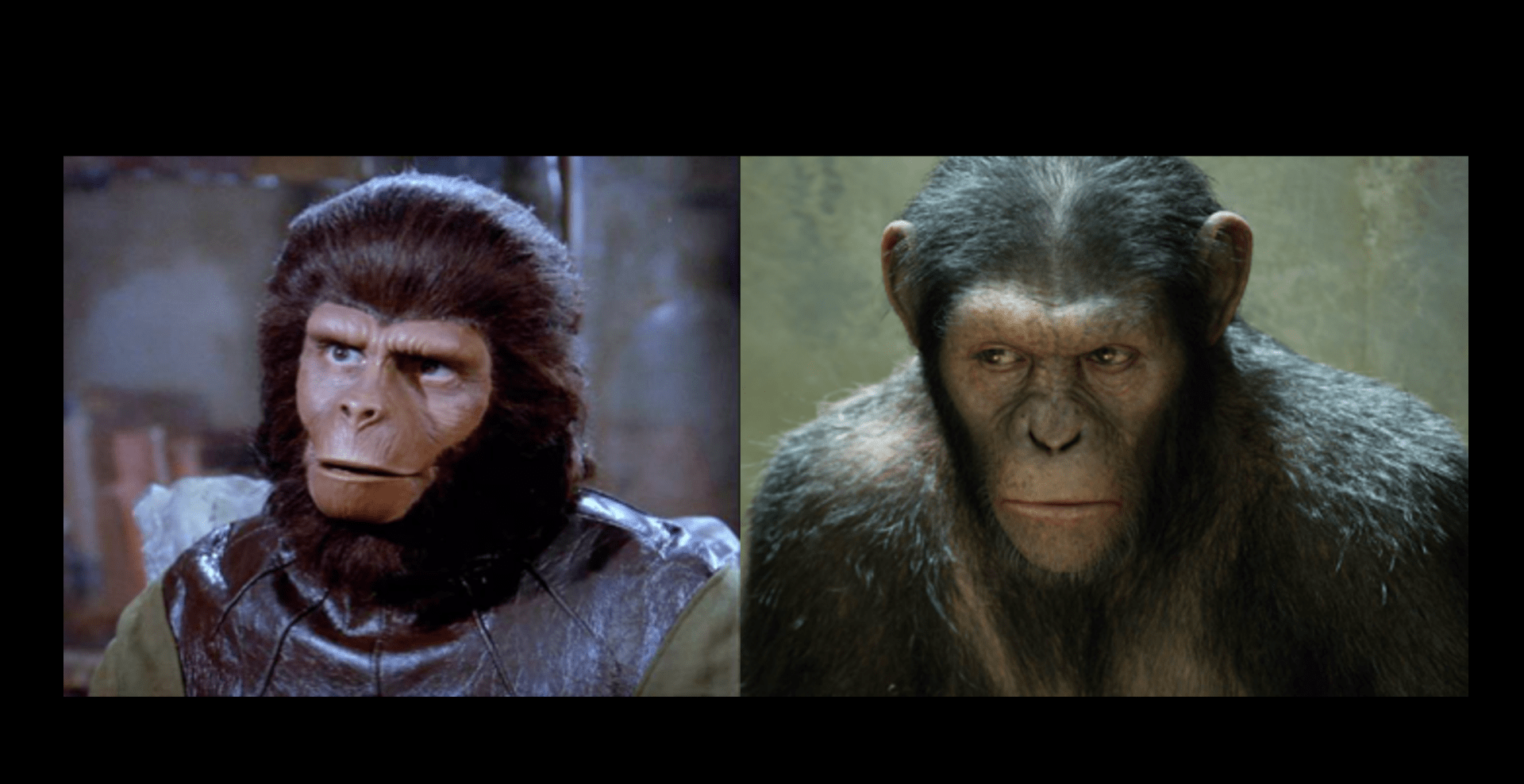
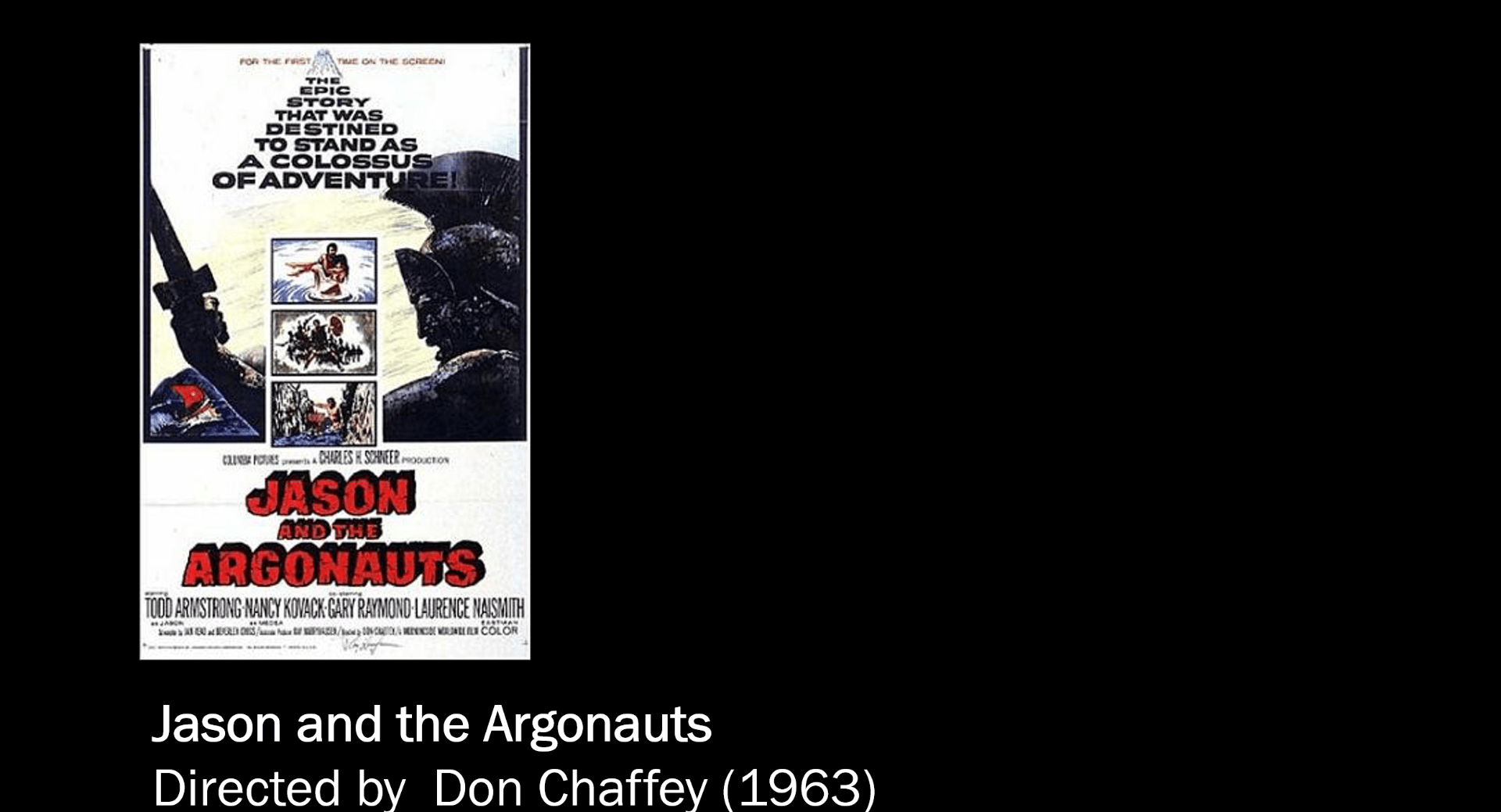
- Have a look at the clips, what differences do you note between the earlier films and the more recent examples of that type of effect?
- New topics through the lecture.

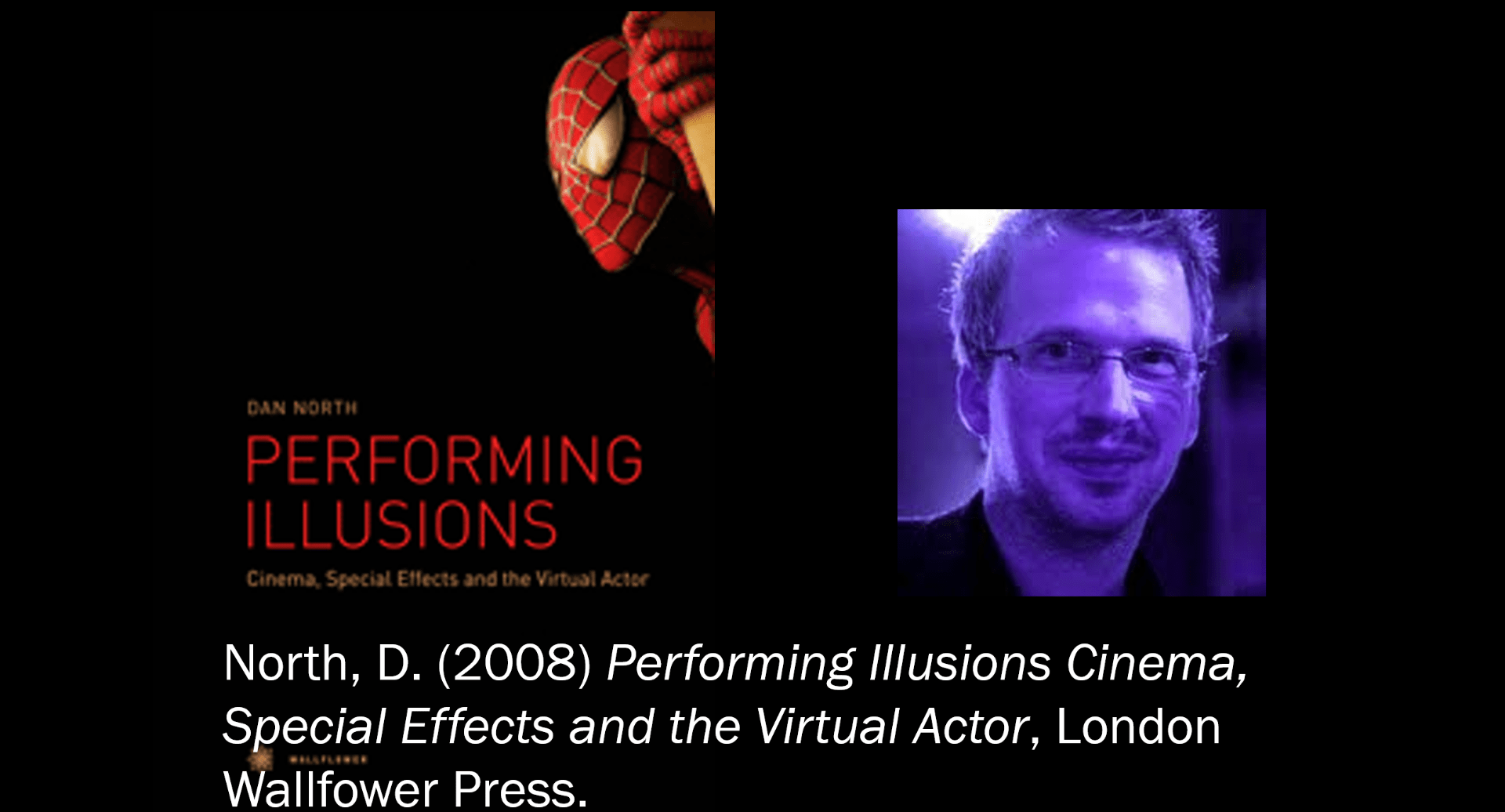
Choose a paper to read for your week five annotation
Consolidate: Choose a paper to read for your week five annotation
For this weeks homework please choose a paper by Alvy Ray Smith to read and write your weekly 150-250 word annotation.
You may do one for the assignment, but they are short so feel free to read both and annotated them! 🙂
Ray, A. (1982) Special effects for star trek II [online] Available at:https://ohiostate.pressbooks.pub/app/uploads/sites/45/2020/01/StarTrekII_GenesisDemo.pdf [Accessed: 20 Nov 2024].
In this article, Alvy Ray Smith, a computer scientist, writes about the processes that their team had to pass through to make the special effects in four scenes from the Star Trek II film.
The author first tells us what they needed to accomplish with this project: they had to create a molecule sequence, a planet-size demo of a dead planet transforming into a live one, a voice recognition sequence, and a retina recognition sequence. He explains to us all the organisation and communication he had with his coworkers, while also writing about some technical processes and different tests that they had to accomplish to end up with the final product. He writes about using 3-D and 2-D techniques as well as a technique called aliasing and how he did not want to use it because of its properties, the different shots and angles they took to finally be satisfied with the shoot. He also mentions complications that occurred during their tests and the different equipment they used, as well as the consideration of using different practical and digital effects for the project.
Finally, he mentions that everything was successful and credits its coworkers.

