This week we will look at the origins of photography and moving image, before moving on to explore the relationship between very early special effects, animation and cinema. This important period at the end of nineteenth and beginning of the twentieth centuries saw rapid technological developments in photography and filmmaking, leading to a fundamental shift in how humanity viewed the world. We will see how Photographic pioneers such as Niépce, Daguerre and Fox Talbot developed processes by which an image projected through a lens could be fixed onto a surface. After this further technological developments led to the first films by the Lumière brothers and Georges Méliès would become the first Special Effects artist.
History of Special Effects
Have a look through this presentation. It covers the key themes that we will cover in class, once you have had a look at it consider the following:
- What are the new topics, shown through the slides, videos and reading. Can you describe them?
- Make list of the key themes.
- Come prepared to ask questions and discuss the topics.
The illusion of life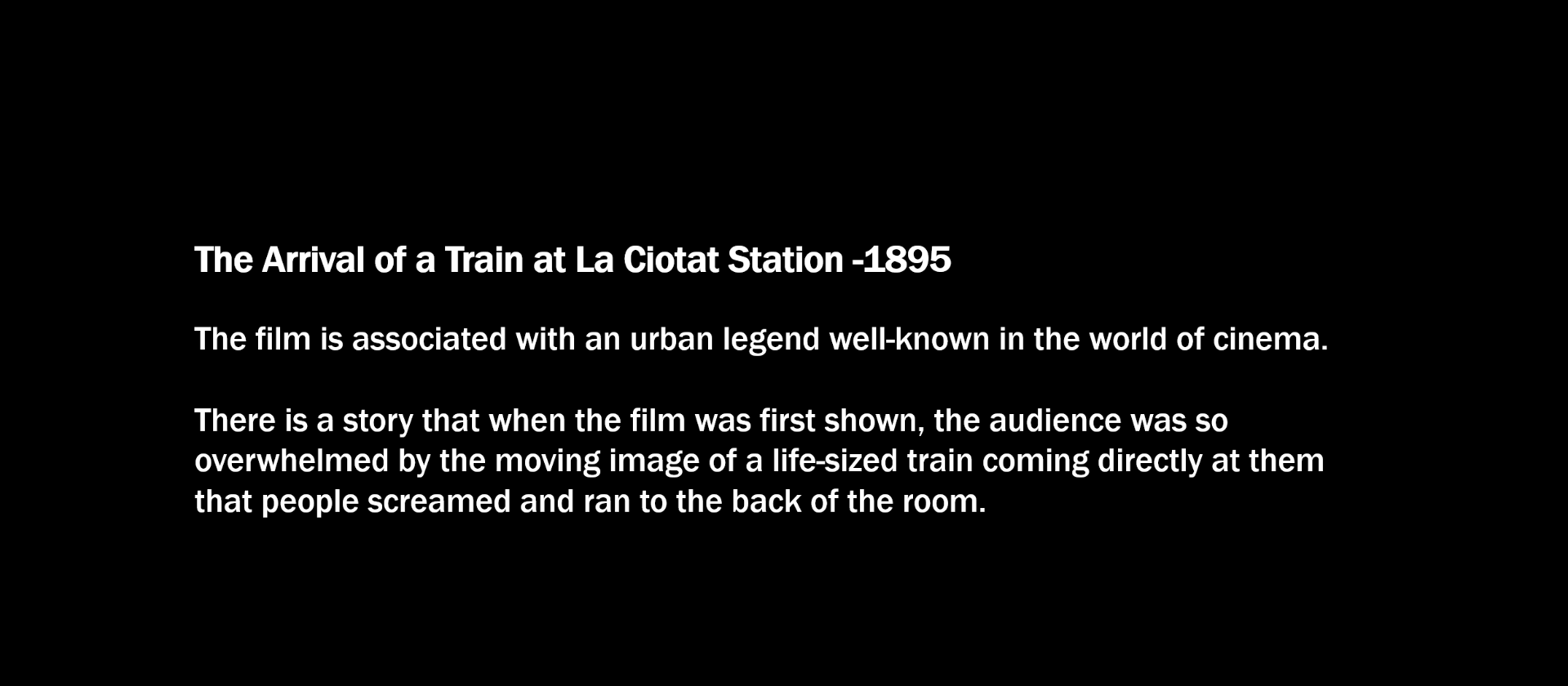
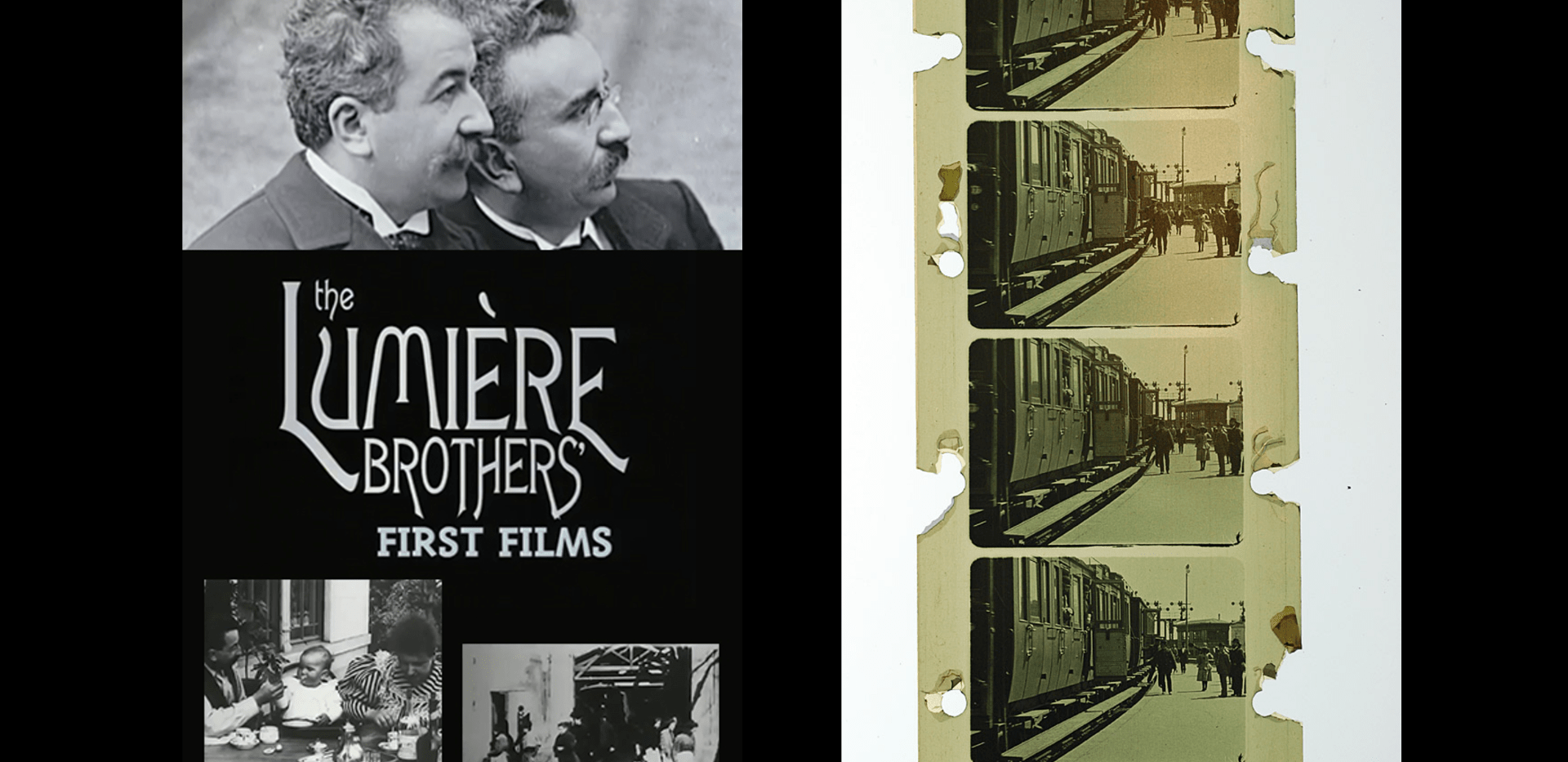
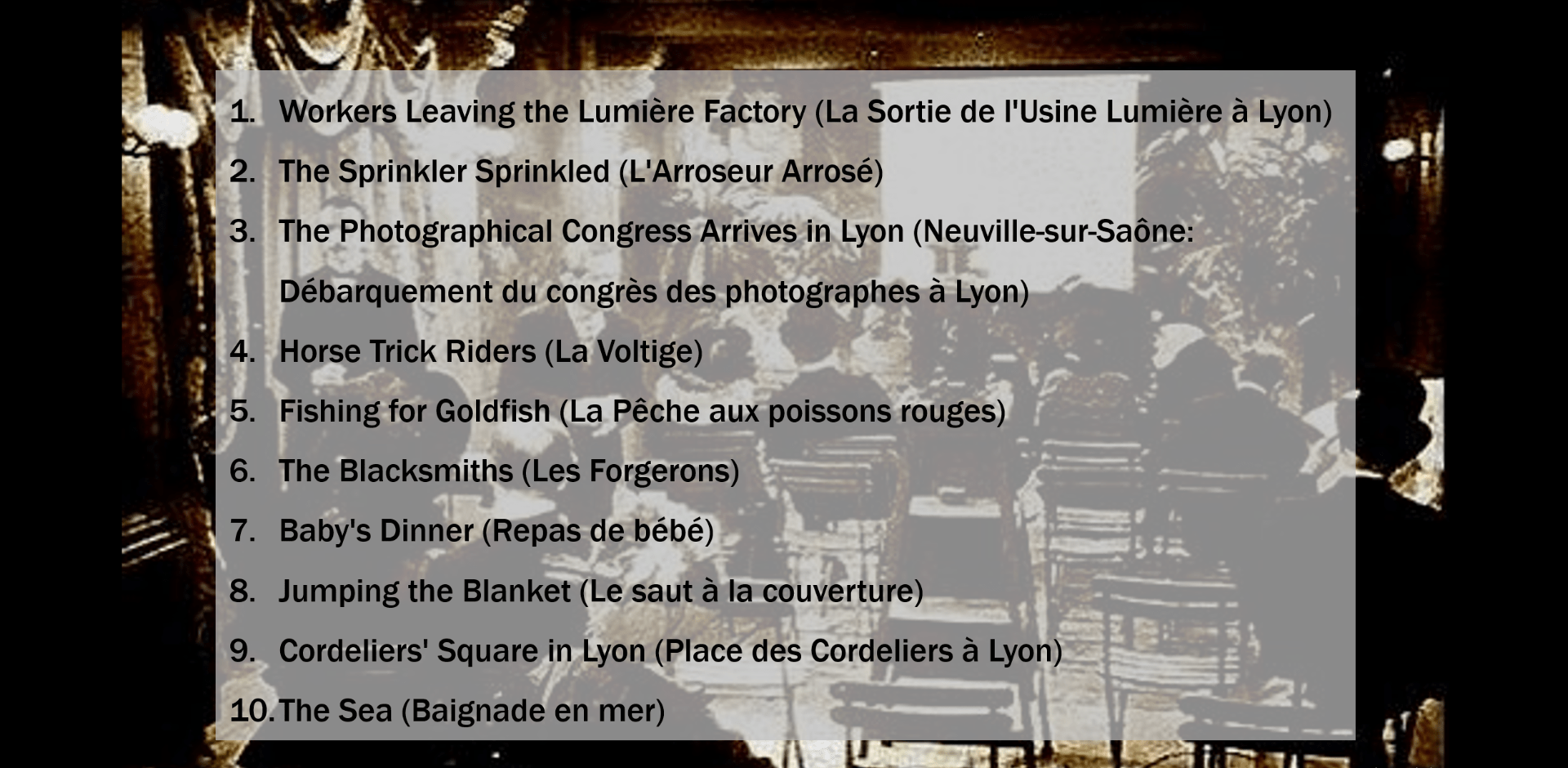
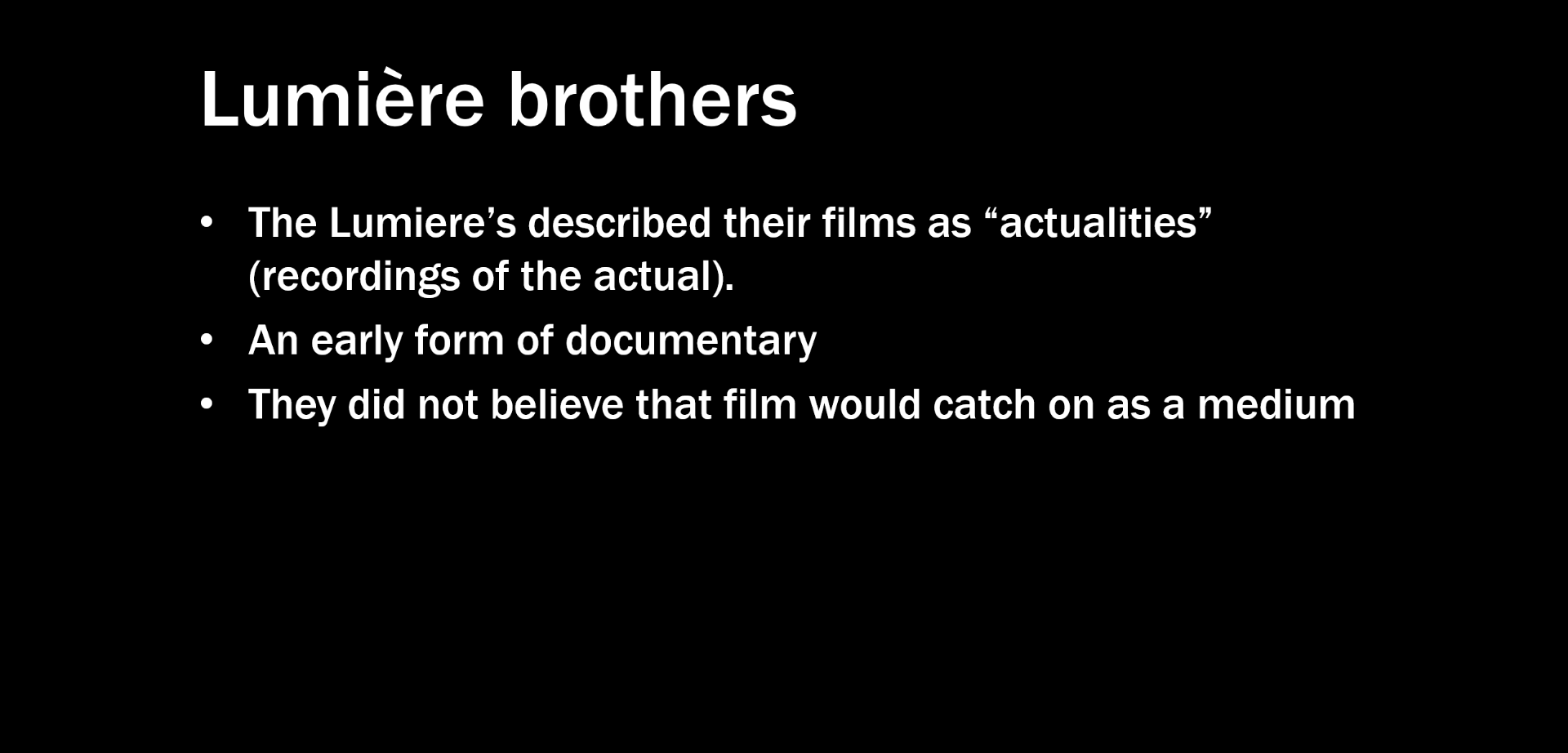
What is a moving image?
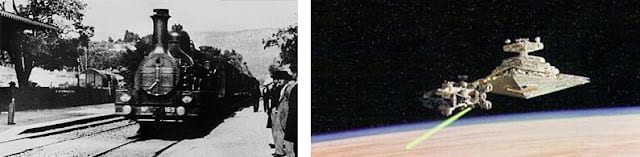
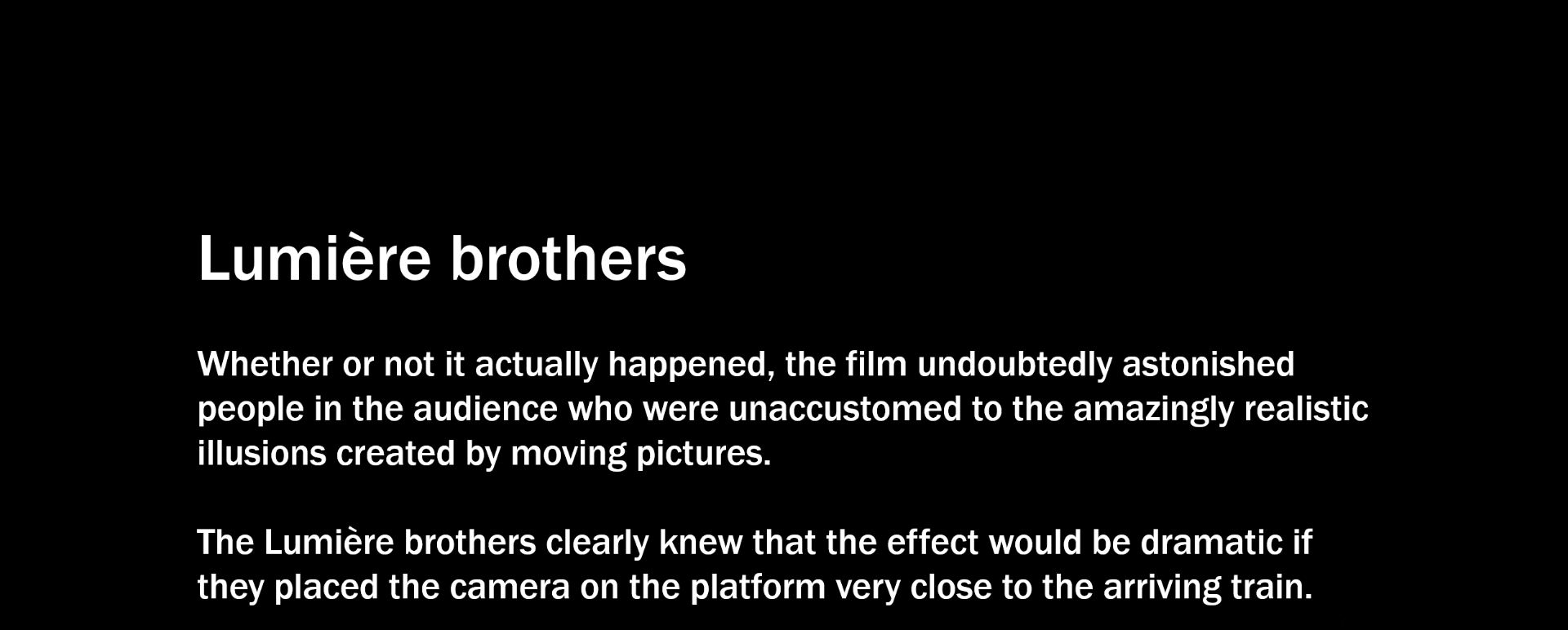
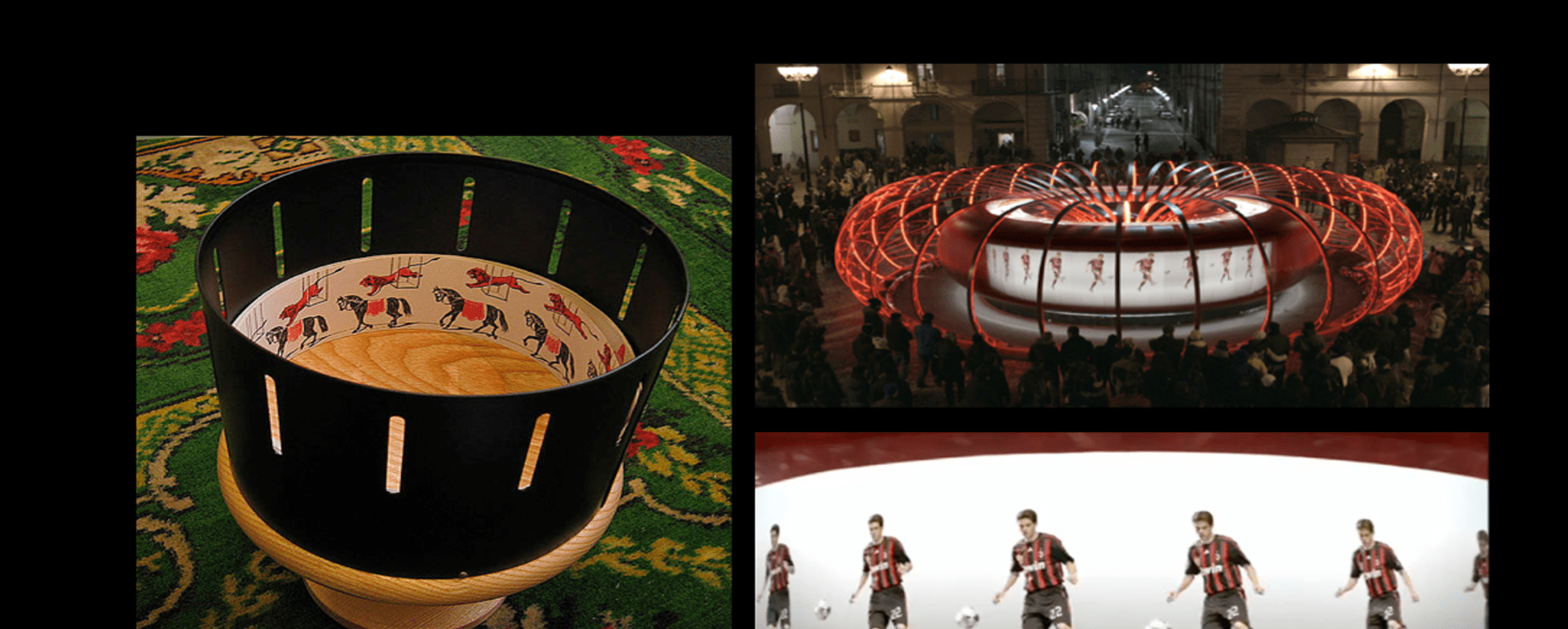
Moving images are defined by, as the term suggests, an image that gives the appearance of movement. The first glimpse of the moving image originated with the camera obscura, an optical experience, where by light passed through a small hole – naturally projecting an upside-down image in a room of the view outside.
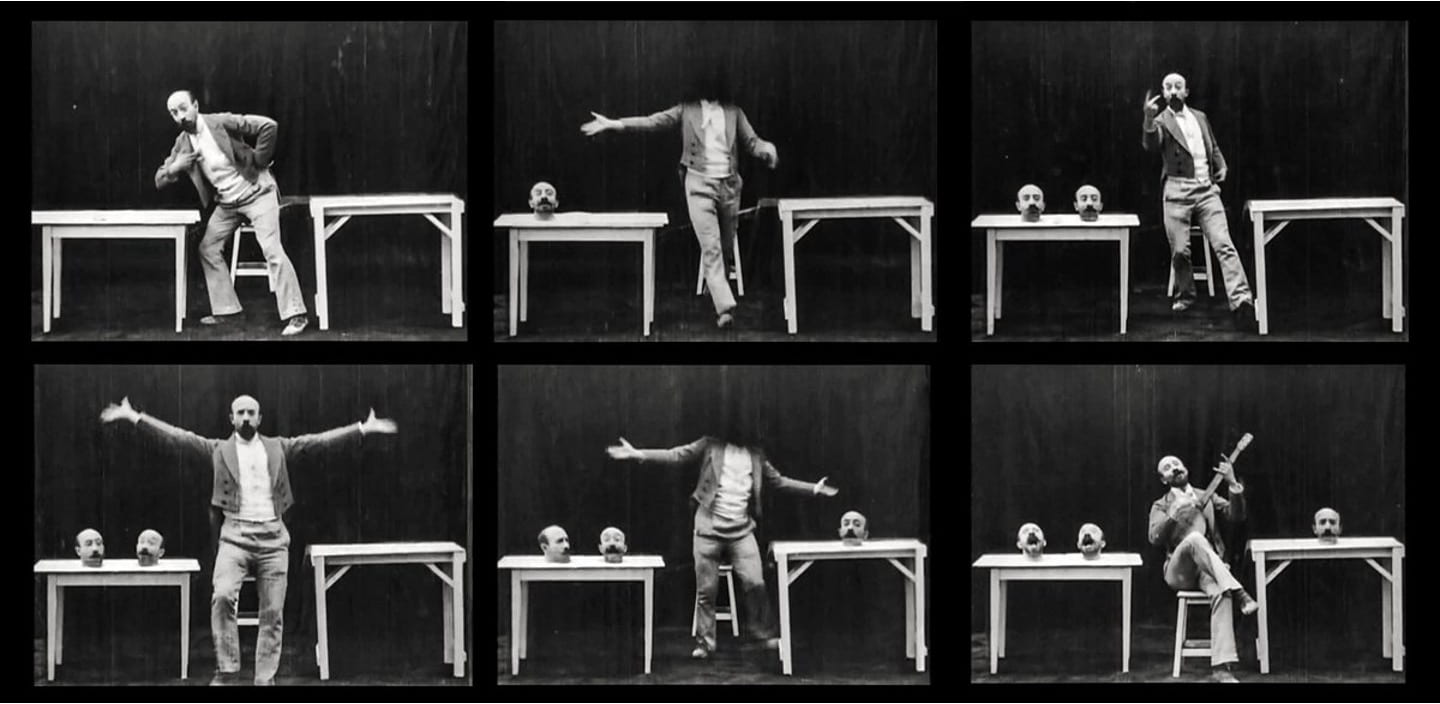
Melies has been referred to as the father of Special effects
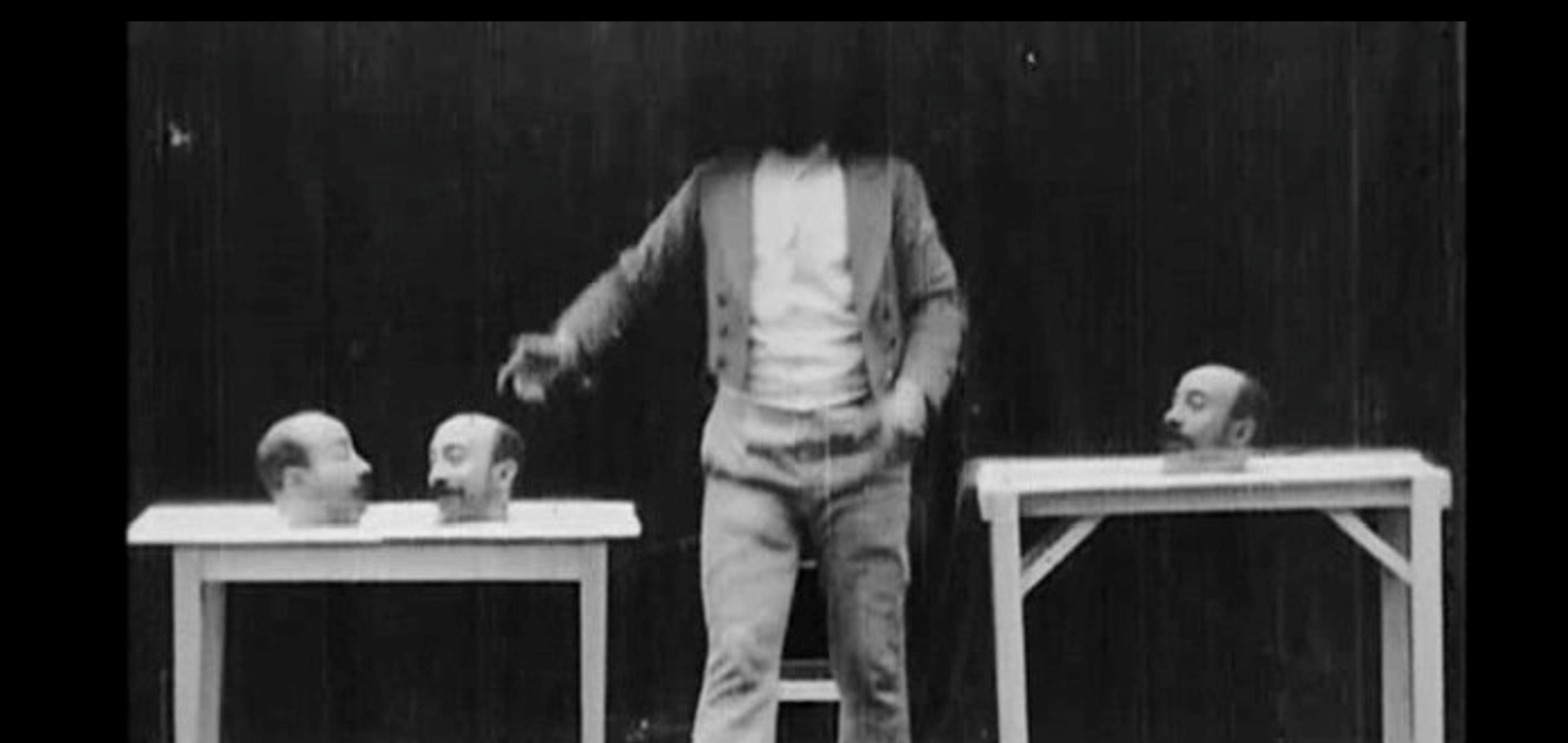
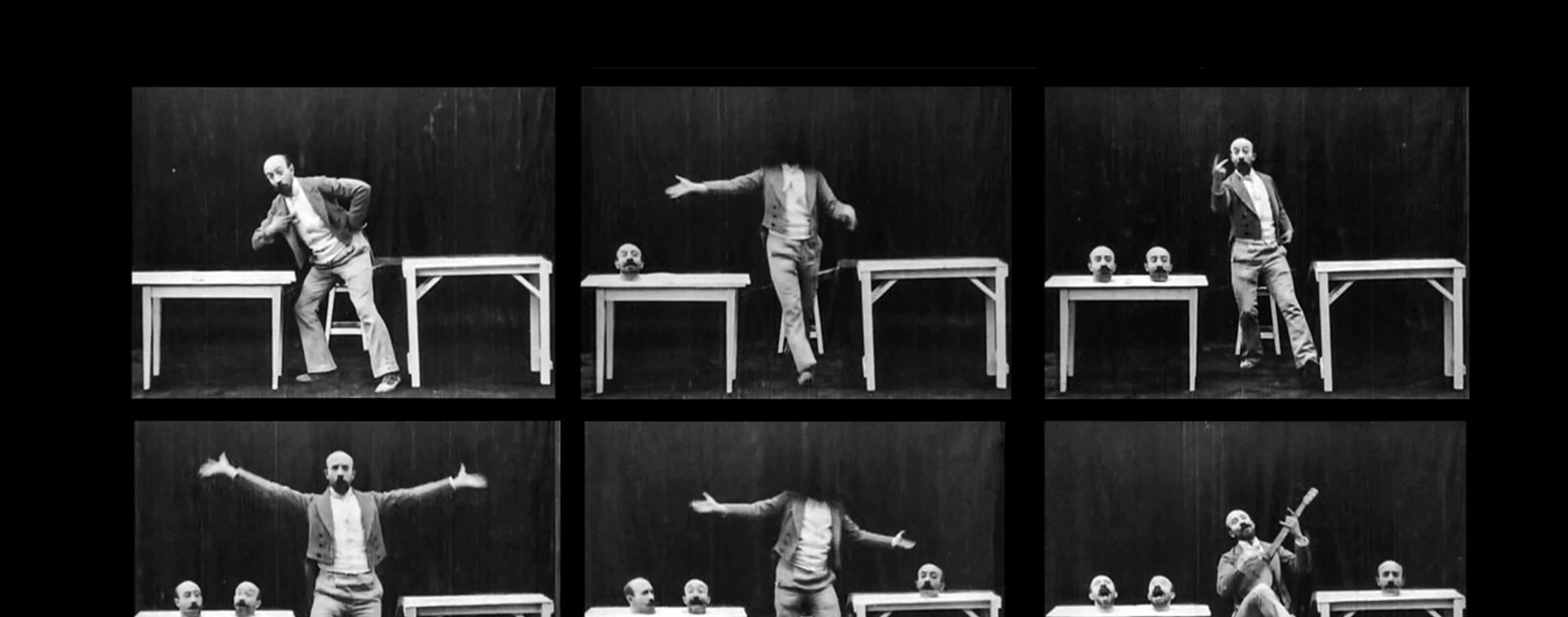
Georges Méliès is famous for his many innovations in motion pictures. He was one of the first to film fictional narratives, and he is regarded as the inventor of special effects in movies. His films were among the first to use such techniques as double exposure, stop-motion, and slow motion.
Homework Read: The Cinema of Attractions: Early Film, Its Spectator and the Avant-Gard
For your homework this week please read and write an annotation of the The Cinema of Attractions: Early Film, Its Spectator and the Avant-Gard by Tom Gunning. As before the annotation should be added to your Digital Sketchbook.
Gunning, T. (2006) ‘The Cinema of Attractions: Early Film, Its Spectator and the Avant-Garde’, in Strauven, W. (1.) The Cinema of Attractions Reloaded. Amsterdam: Amsterdam University Press, pp. 381-388.
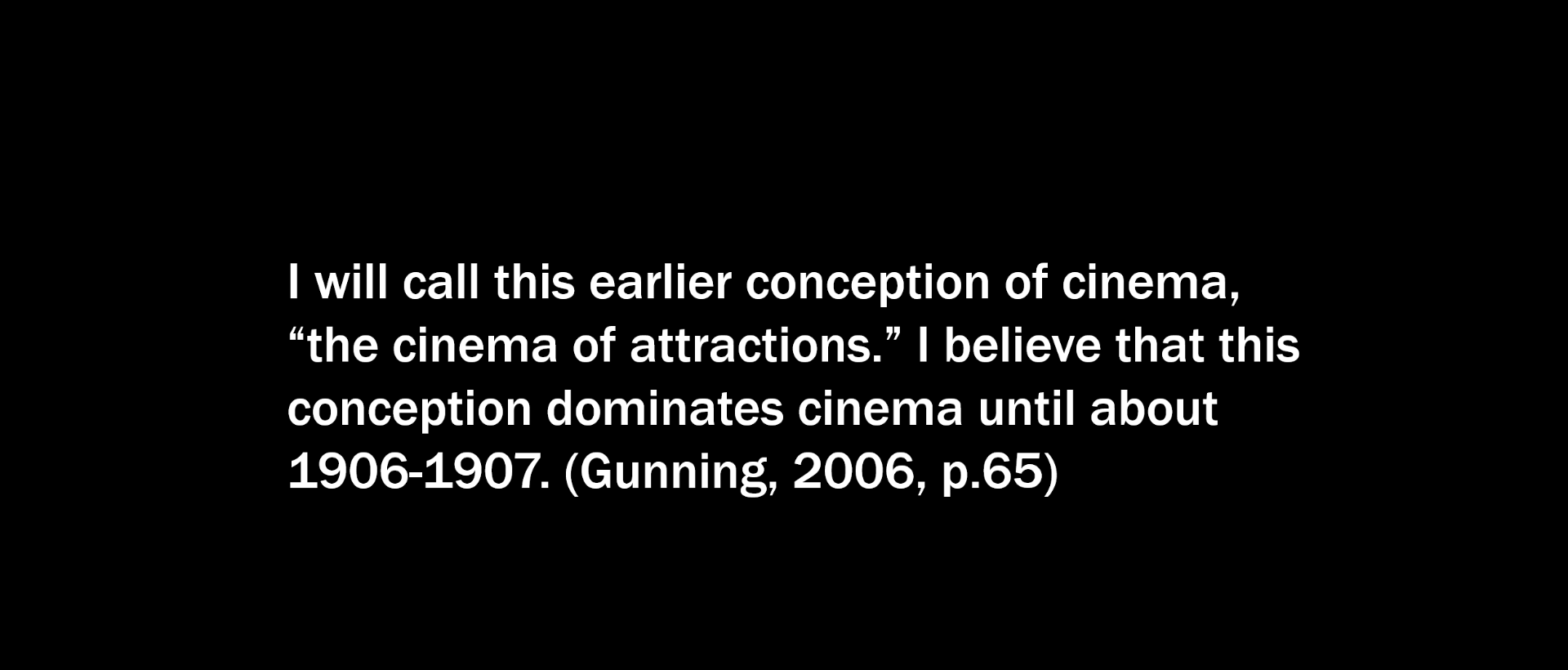
In this chapter, Tom Gunning writes about the initial stages of cinema, “the cinema of attraction,” which was a non-narrative cinema, and its transitions to the later, more narrative-based cinema.
The author writes about how the cinema of attraction was based on more non-narrative films and on taking the viewer’s attention by interacting directly with the viewer, such as looking constantly at the camera and smirking at the audience, things that are rarely seen in modern cinema because they are considered a break in the illusion of the film. This is because early cinema was more about inciting visual curiosity and satisfying the spectators view with an exciting spectacle, such as a magic trick, or showing a specific action or place. The cinema of attraction was based on exhibitionism, trying to exhibit a scenario to the audience because the early cinema was considered an attraction where people would gather to see the innovative technologies commonly found at fairs.
He also talks about how the early cinema lacks characterisation and characters with psychological motivation, due to its non-narrative nature. Later on, in 1907, the narrativization of the cinema culminated in the appearance of featured films that started to be more alike to the theatres, with actors performing spectacular plays and more individual characterisation, up to this modern day.
Tom Gunning is a Film historian, Professor in the department of cinema and media at the university of Chicago, he is known because he was written on the avant-garde film and because he is the author of many cinemas related books.

