Module and Topic outline
This week we will look at what this module is all about and how it fits within the course structure,. You will hear about the topics that will learn about and assignments that you will need to complete to pass the module.
Learning outcome covered:
- How to communicate key module concepts whilst reflecting upon on the reliability of sources’ own properties in these areas
Welcome
This week we will discuss some of the overarching themes and goals of the module (including the assignments). We will attempt to identify what meant by a principle of VFX and why theory is important on a practical vocational course.
Icebreaker: Film Research and quiz!
On your digital sketchbooks – list the following
- Image from the film
- Title and date
- Director
- A sentence on what the film was about or what kind of effects it was famous for
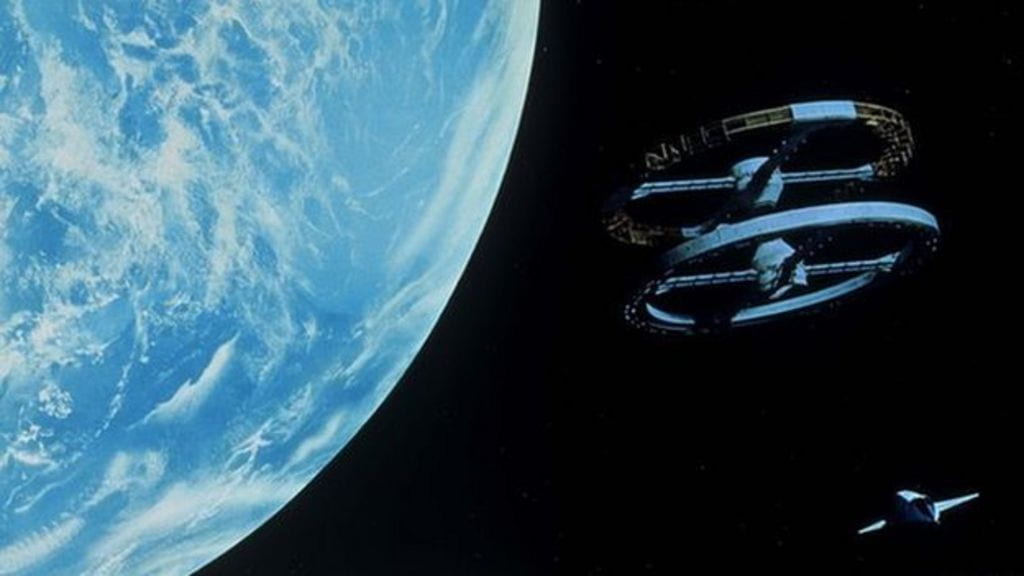
Director: Stanley Kubrick
A space odyssey is a science-fiction imagining the future of humanity.
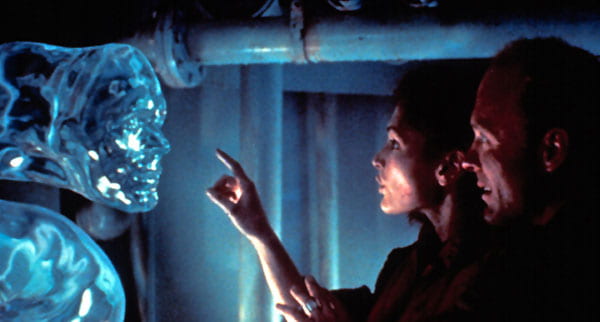
Director: James Cameron
The Abyss is a science-fiction film about a civilian diving team searching a lost nuclear submarine while encountering an alien aquatic species.
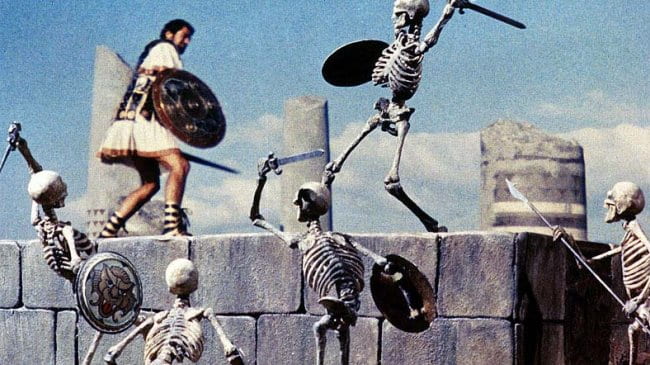
Director: Don Chaffey
Jason and the Argonauts is a fantasy-adventure film well recognized for its stop-motion special effects on different scenes.
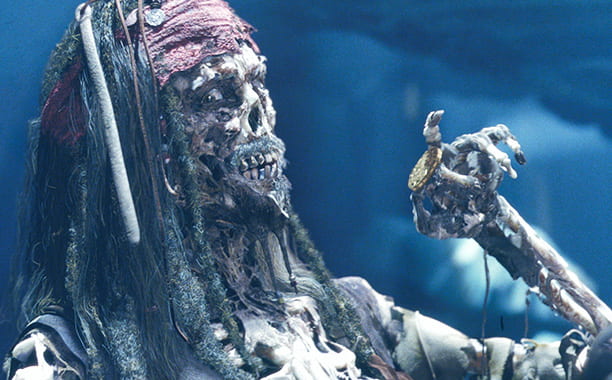
Director: Gore Verbinski
The plot follows the pirate Jack Sparrow and the blacksmith Will Turner, as they attempt to rescue the kidnapped Elizabeth Swann.
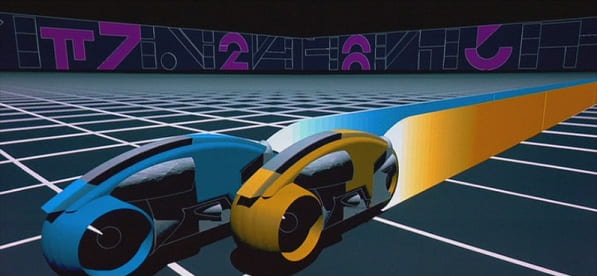
Director: Steven Lisberger
The plot follows a computer hacker that is abducted into the digital world and forced to participate in gladiatorial games where his only chance of escape is with the help of a heroic security program.
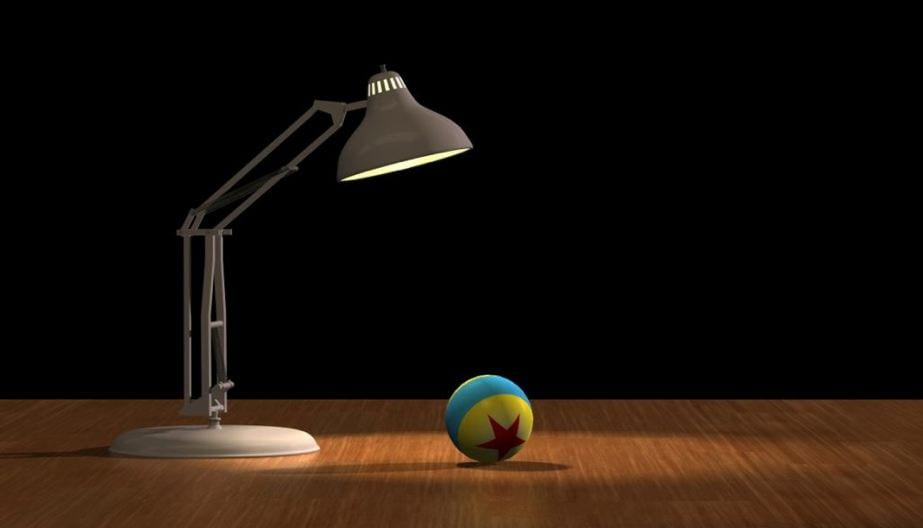
Director: John Lasseter
Luxo is an animation about a baby lamp that finds a ball to play with and it’s all fun and games until the ball bursts. Just when the elder Luxo thinks his kid will settle down for a bit, Luxo Jr. finds a ball ten times bigger.
HOMEWORK – READING: Through the Looking Glass Philosophical Toys and Digital Visual Effects
As instructed in class, please this read journal article and write a short summary – on your digital sketchbooks of around 200-300 words. This summary will form the first annotated biographic entry for Assignment 1. Please add images to illustrate your writing.
An annotated bibliography is a collection of references to different types of literature sources including books, articles and other types of literary material. Annotations should briefly describe central themes and arguments of the source; the annotation can also comment on the author and their experience or authority in the field. You should also comment on how the source feeds into your research (and essay question).
I have attached some guidance on how to do this, but we will also discuss in class.
Prince, S. (2010) Through the Looking Glass: Philosophical Toys and Digital Visual Effects. Projections, 4(2), pp. 19-40.
In this article, Stephen Prince, a British film composer, writes about the impact that the fusion between science and entertainment had on modern digital effects, making the illusion of the effects more credible thanks to the accurate rendition of the behaviour of solids, liquids, light, and so on; this is known as” perceptual realism”.
He also put some examples about this topic on how scientists collaborate with filmmakers, utilising programs to accurately simulate environments and objects that follow the laws of physics to persuade the viewer into believing the fiction and enjoying the fantastic world that the filmmaker creates through the story. Since the objective of perceptual realism is not to make the viewer believe that what they are seeing is real but instead to make every object and being simulate a realistic behaviour and environment, also sometimes breaking this realism for dramatic purposes. This article also writes about why the new effect tools are better at creating perceptual realism than the traditional ones, as an example, the traditional compositing of live action, matte paintings, and miniatures in films such as The Lost World (1969) and King Kong (1933) and others that the creatures were visibly fake, thereby breaking that sense of perceptual realism due to the clear line between fiction and the actors in the films or the low accurate representation of the environment.

