Visual Effects and Spectacle
Have a look through this PowerPoint. It is the same presentation that will be given in class and it contains the following:
- Review of last weeks consolidate homework.
- Review / Recap of assignments.
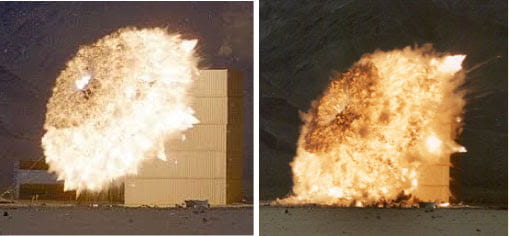
- Spectacle Analysis on three video clips (below). See if you can find any other explosion clips (consider adding them as animated gifs to your digital sketchbooks).
- New topics through the lecture.

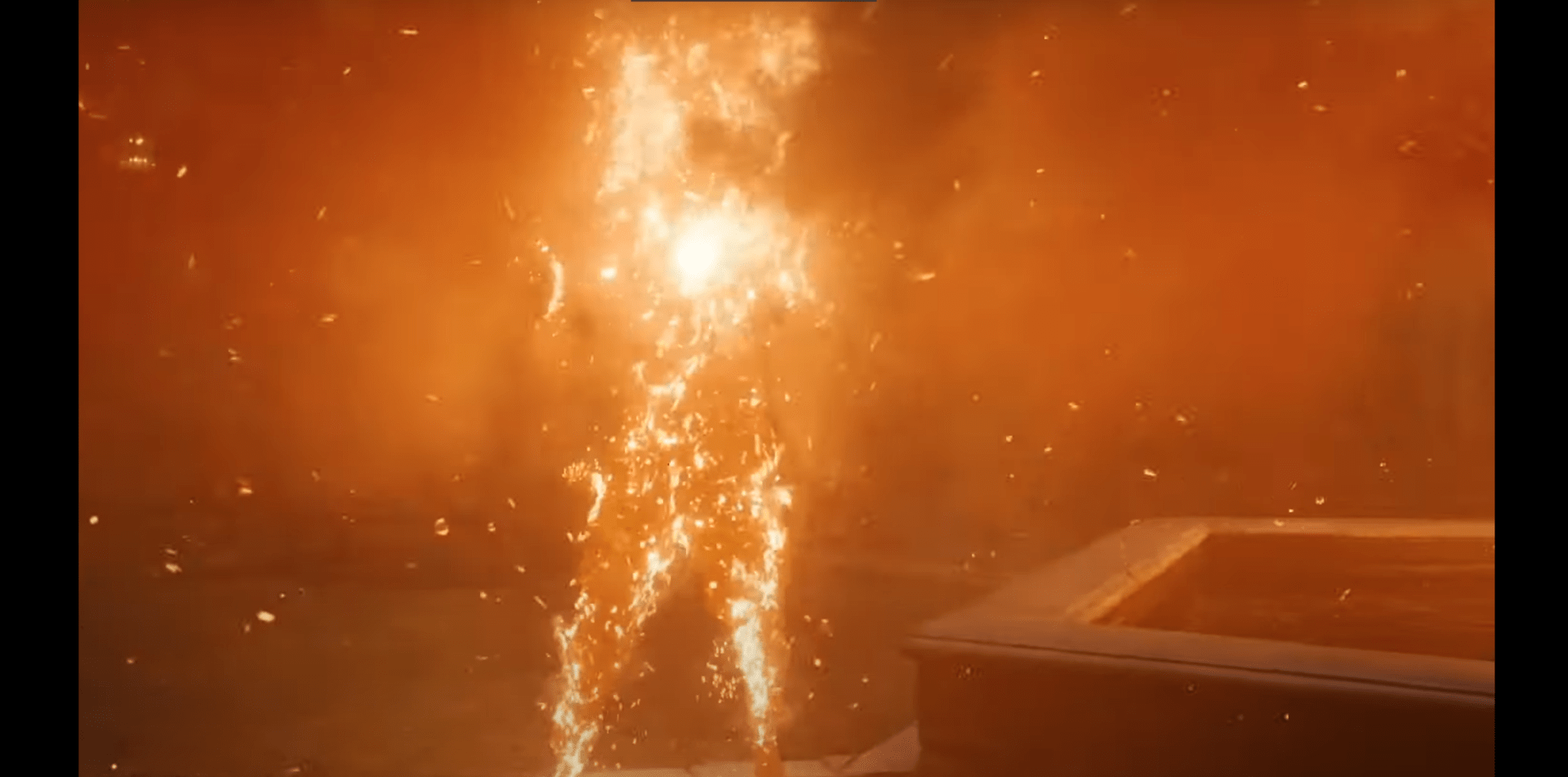
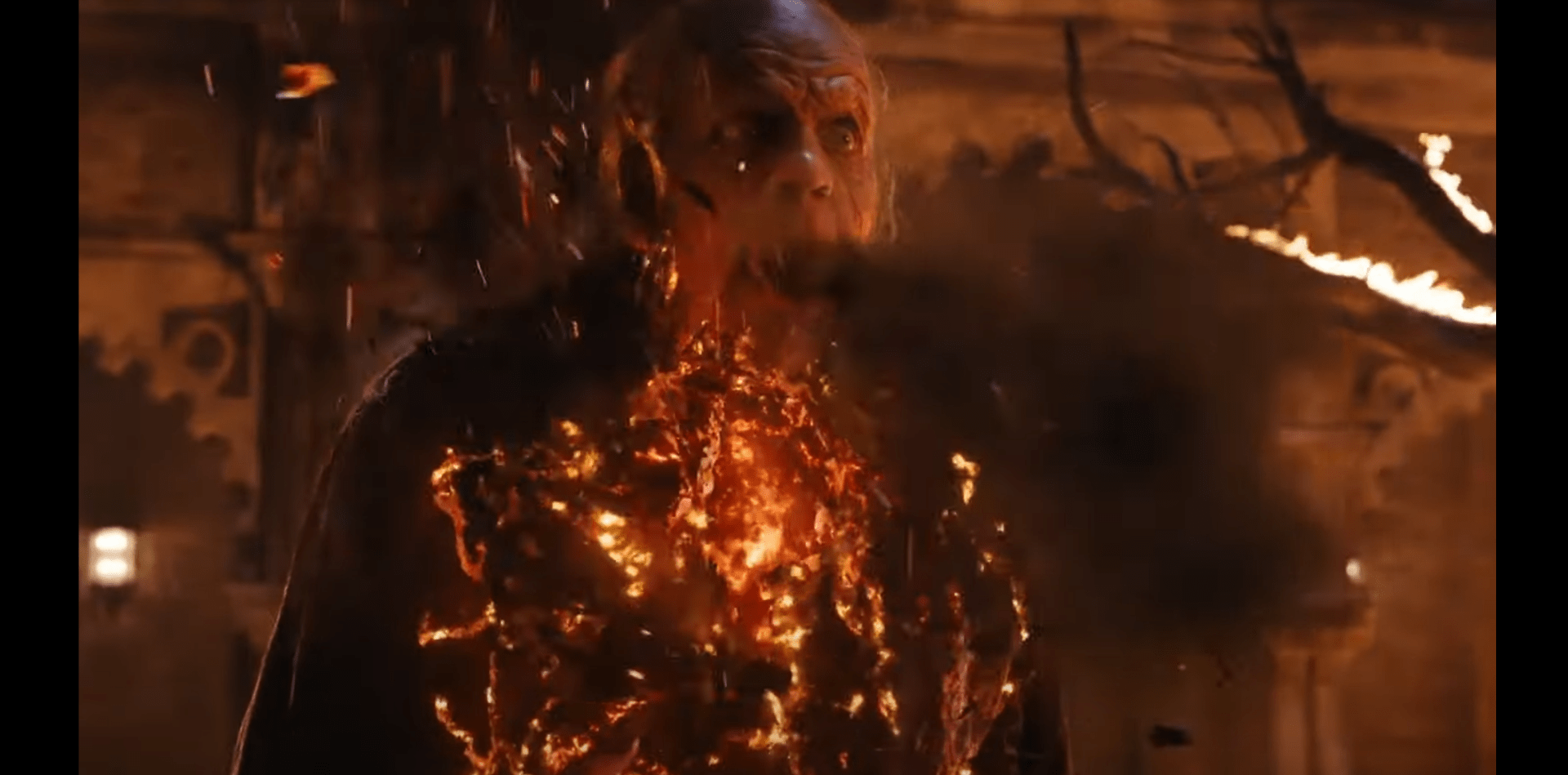
John wick visual effects.
In the apartment shot there are a lot of spectacular effects such the muzzle flashes, explosions and fire effects that contribute to the scene giving the action element that is required to this type of movie.
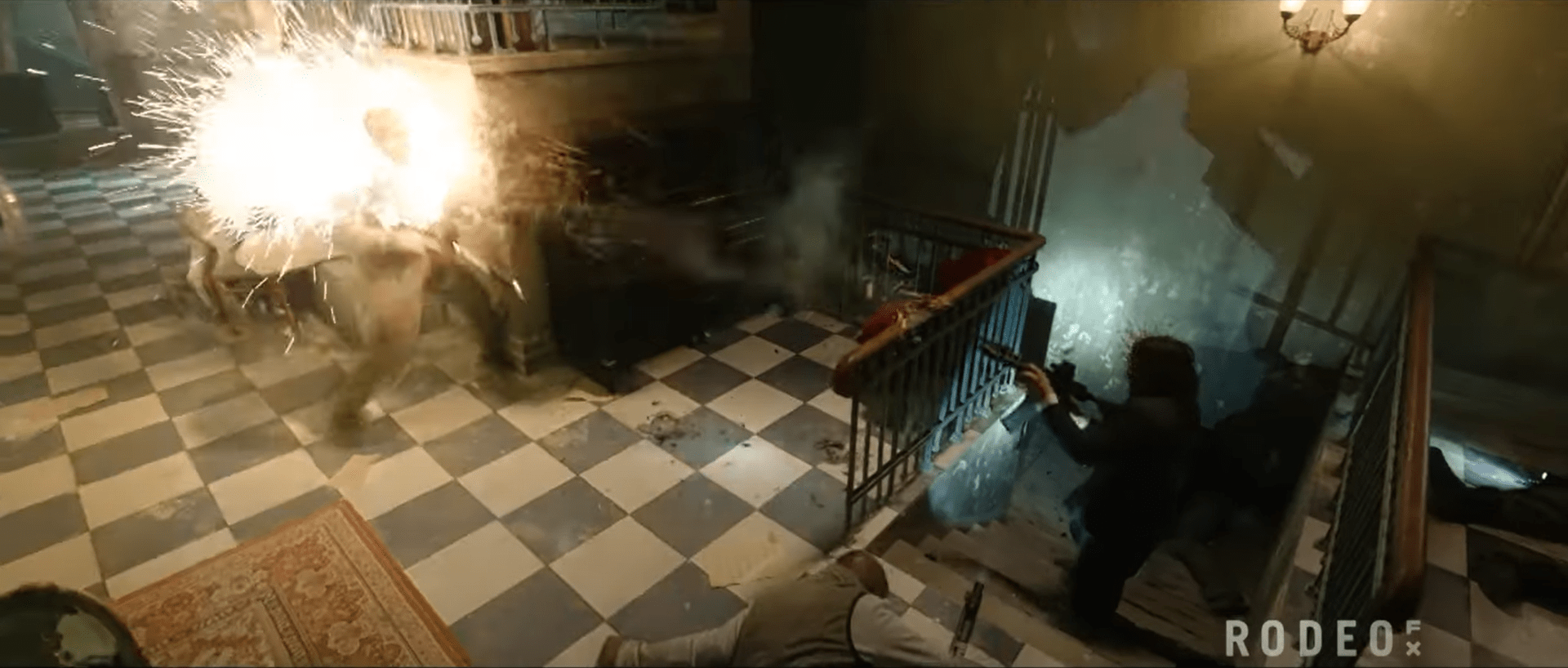
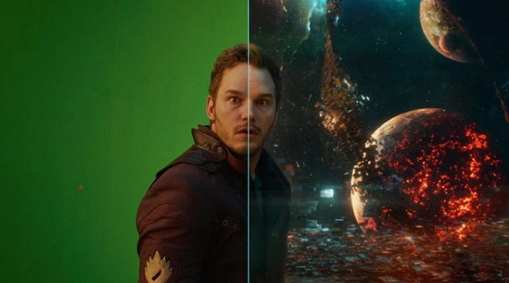
there is also a lot of invisible effects such the ambient occlusion, green screens and light adjustment that is very important to enhance the way that the scene looks
What are Digital VFX?
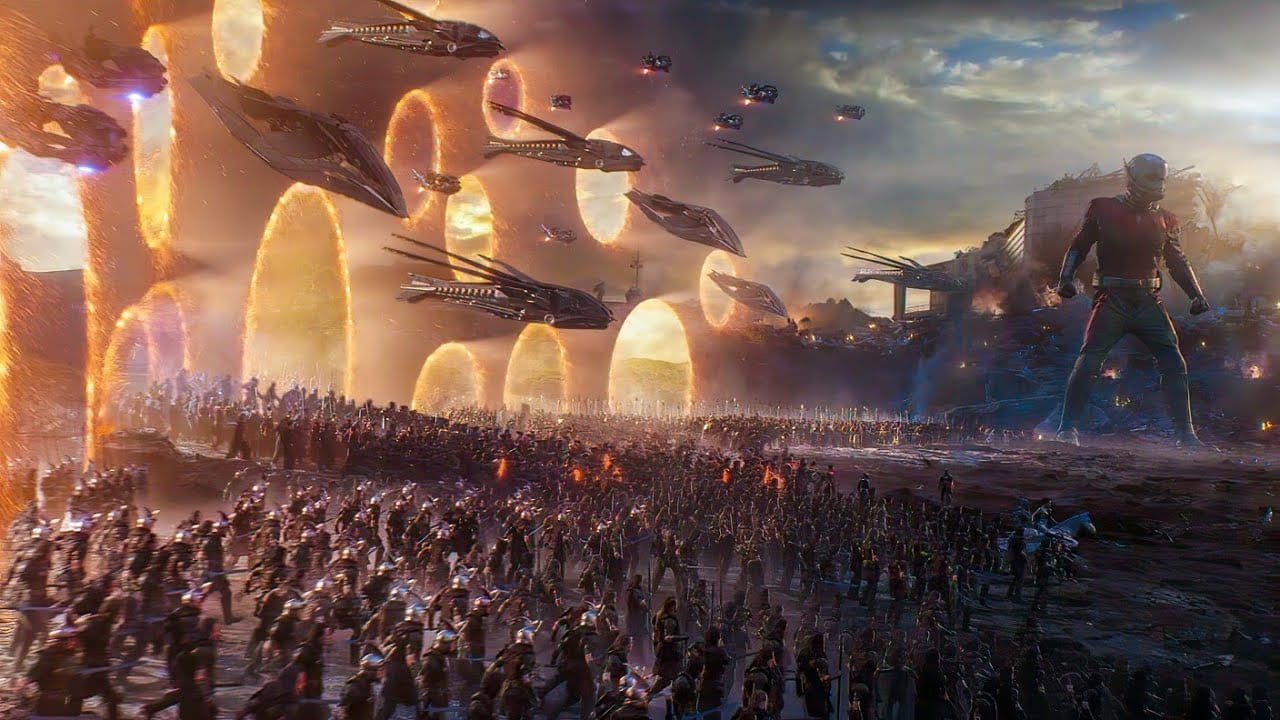
This is one of my favorite VFX Shots.
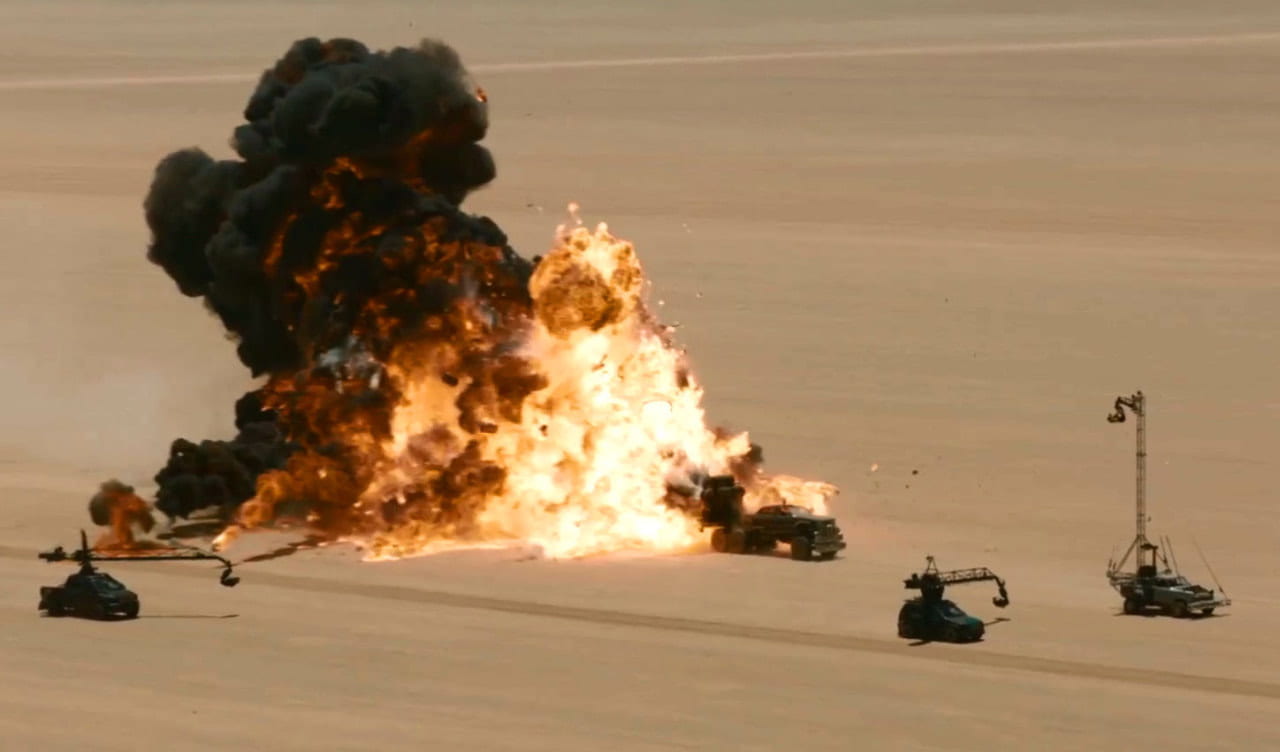
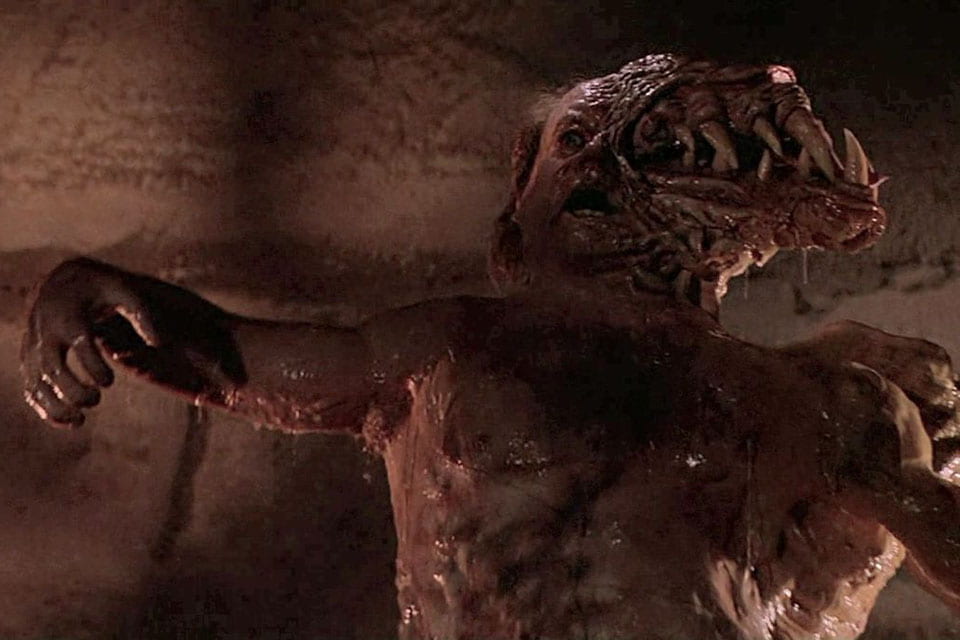
Examples of SFX.
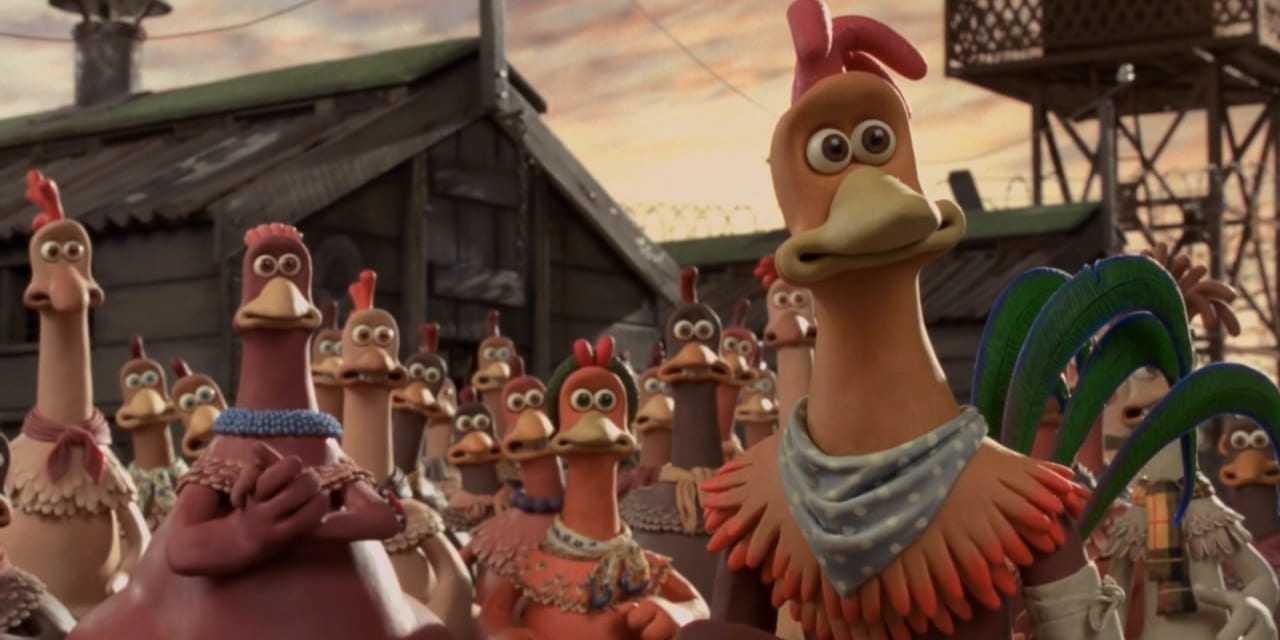

Difference between invisible effects and spectacular effects
invisible effects are affects that are not very noticeable for the spectator ( changes in the background, photorealism)
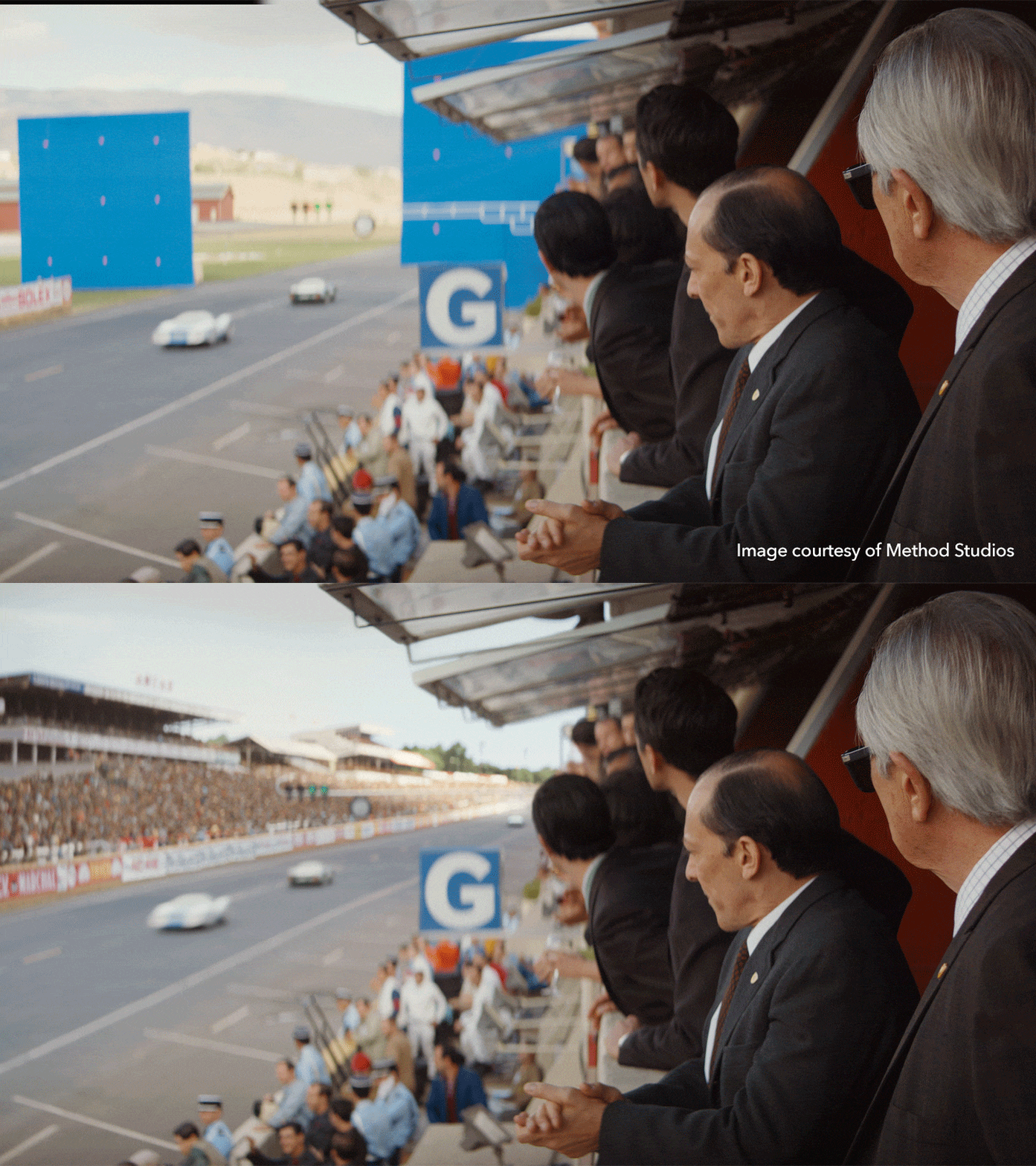
In this example we use invisible effects to extend some parts of the background and add a crown.
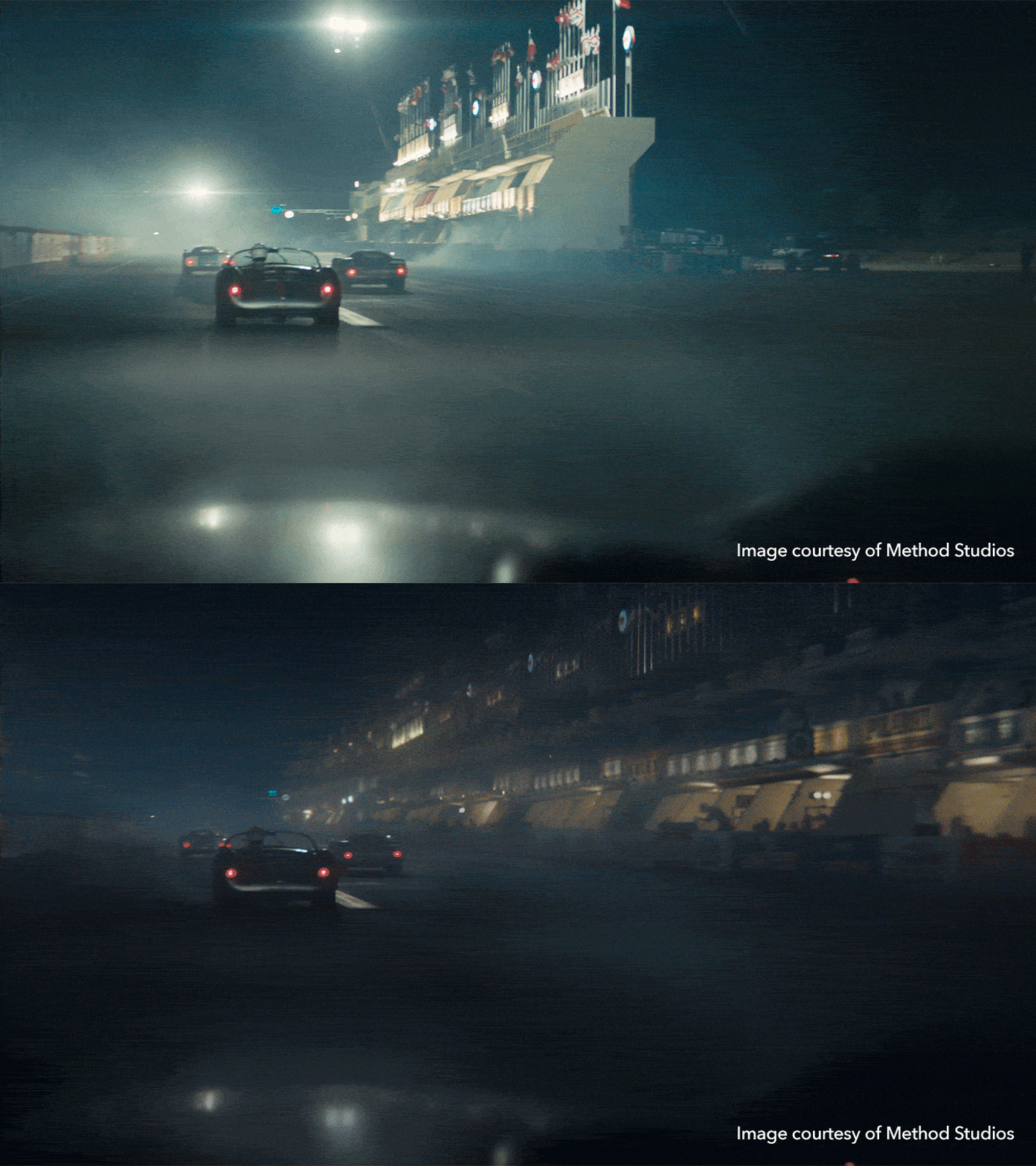
In this example we use invisible effects to cut not needed part of the background and add light adjustments.
while spectacular effects are effects that are meant to be noticed by the spectator and be more visible ( explosions, magical effects).
Please write an annotation for the Introduction of Digital Visual Effects in Cinema : The Seduction of Reality
For the consolidate and homework activity you will write an annotation of the Introduction.
Prince, S. (2012) Digital Visual Effects in Cinema: The Seduction of Reality. London: Rutgers University Press.
In the introduction of this book called “Digital Visual Effects in Cinema: The Seduction of Reality,” Stephen Prince writes about how digital visual effects have transformed filmmaking; he writes about the radical revolution breaking the cinematic traditions.
He remarks on the importance of knowledge of traditional special effects to understand the modern digital visual effects and how digital effects should be a continuation of stylistic traditions and narratives that have defined the cinema for a long time, discussing the different origins from practical special effects to the modern digital fantastical movies we have today. He talks about how digital effects should be seen as an expanded toolbox, which allows us to improve realistic films and cinematic fantasies. He puts different examples on films using lighting technologies, integrated aesthetics, and so on, a fundamental guide to understanding modern movie making. He mentions how people think that all the modern effects are spectacular effects, such as explosions, fantasy landscapes, fiction, animations, and so on. But the reality is that digital effects are more than that; they follow their origin in improving scenery and storytelling, not always being so visible, and being used by distinctive style movies, not only fiction and fantastical narratives.

