
On your digital sketchbooks complete the following activities on Ray Harryhausen
- Write a short paragraph on who Harryhausen was and why his work was important to the history of visual effects.
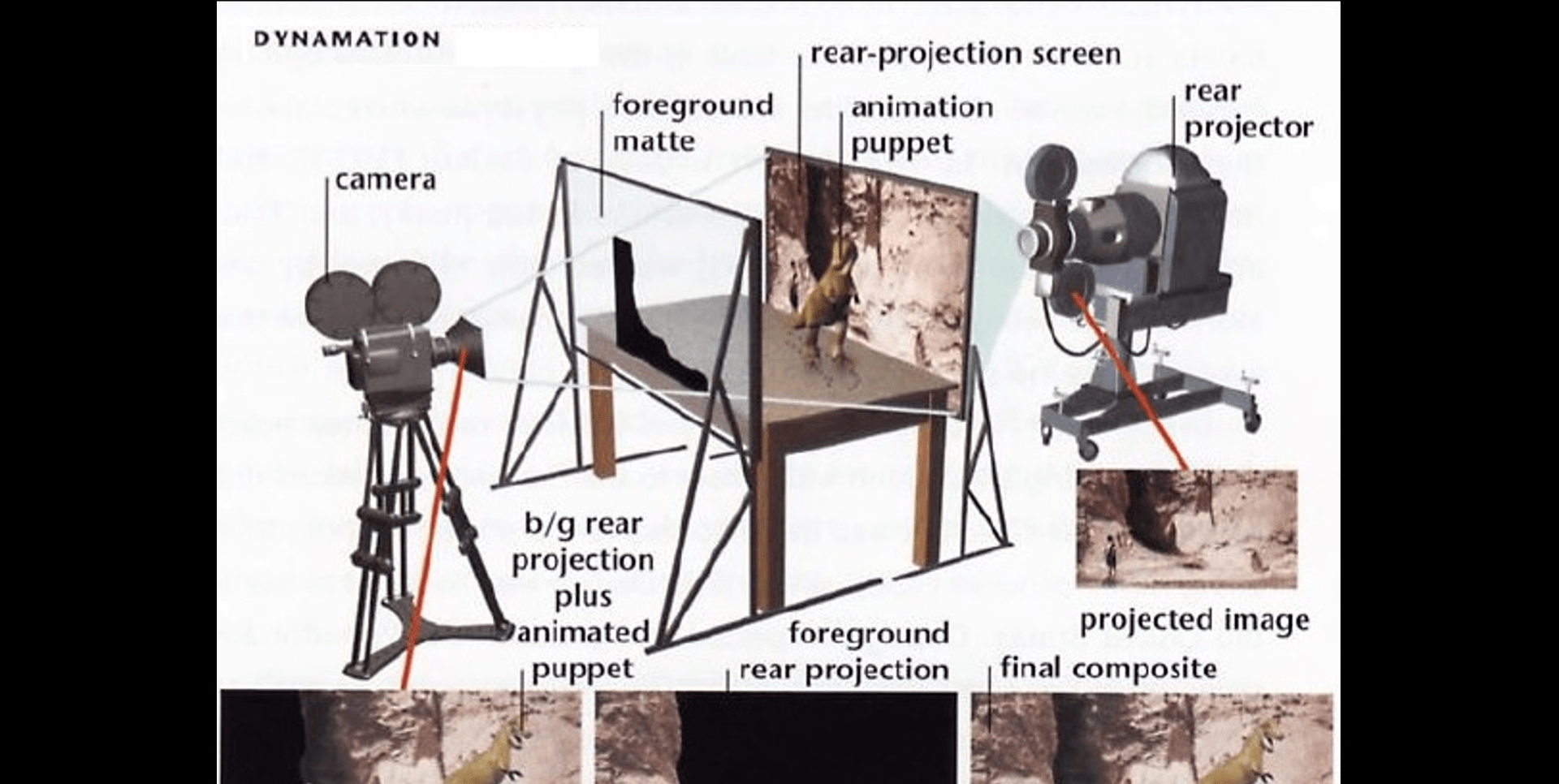
- Write a short paragraph on a special effects technique that Harryhausen used, any technique from his films. See what you can find out.
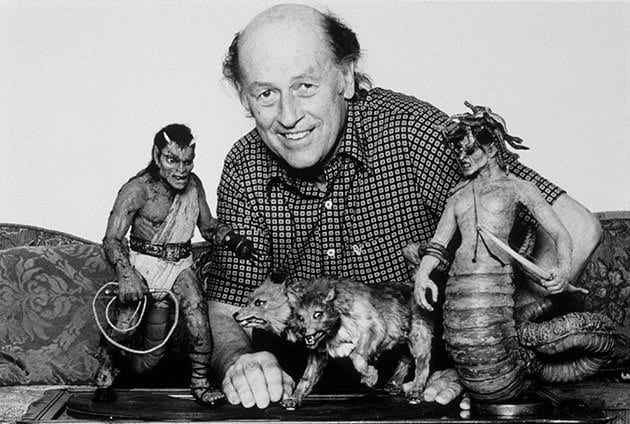
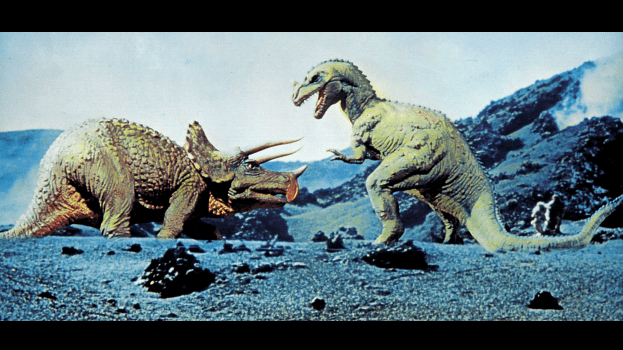
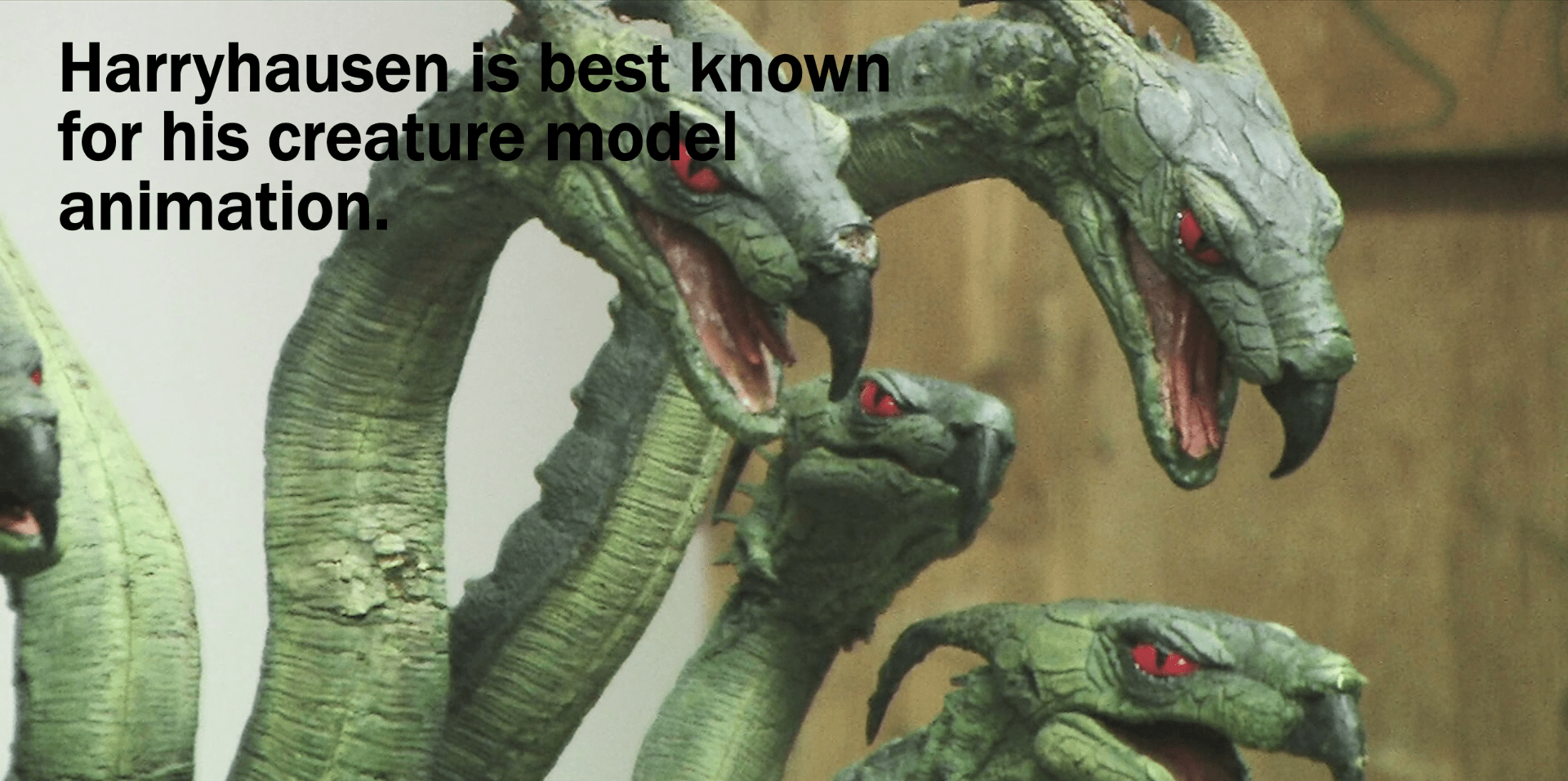
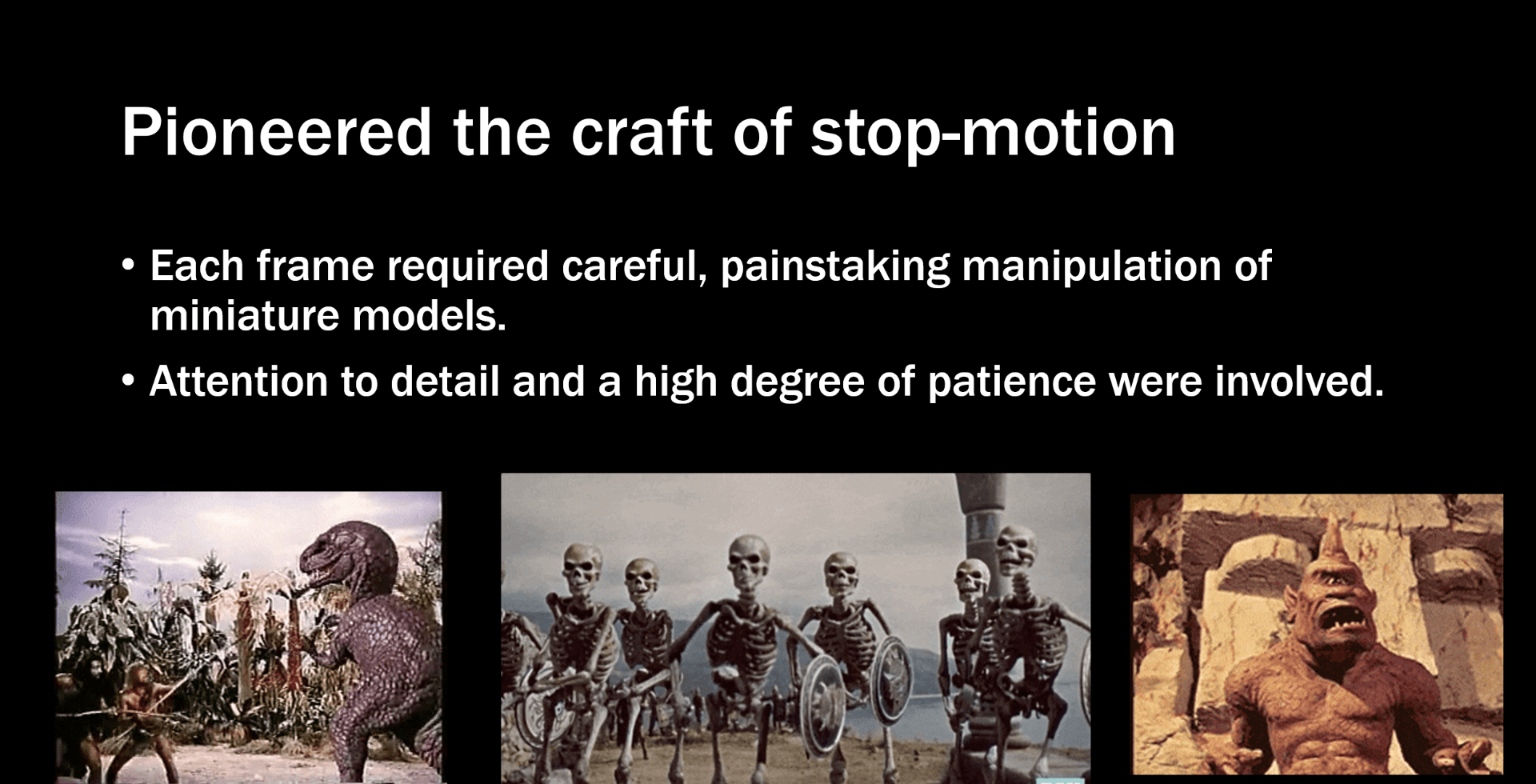
One of the most important filmmakers of the 20th century, Harryhausen created some of the most memorable special effects of cinema history, bringing a unique menagerie of creatures to life on the big screen in classic tales such as Jason and the Argonauts (1963) and the original Clash of the Titans (1981).
His technique:
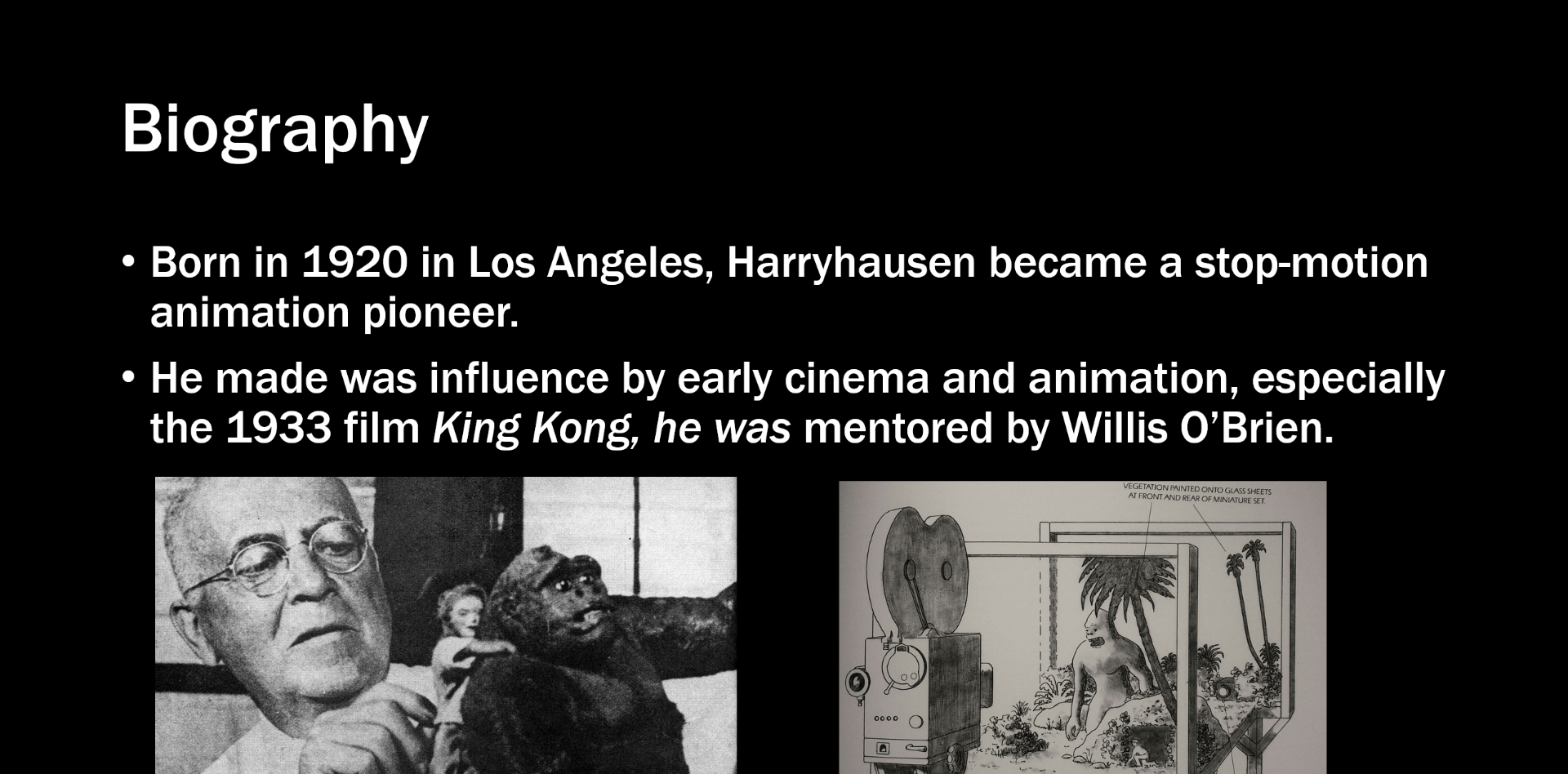
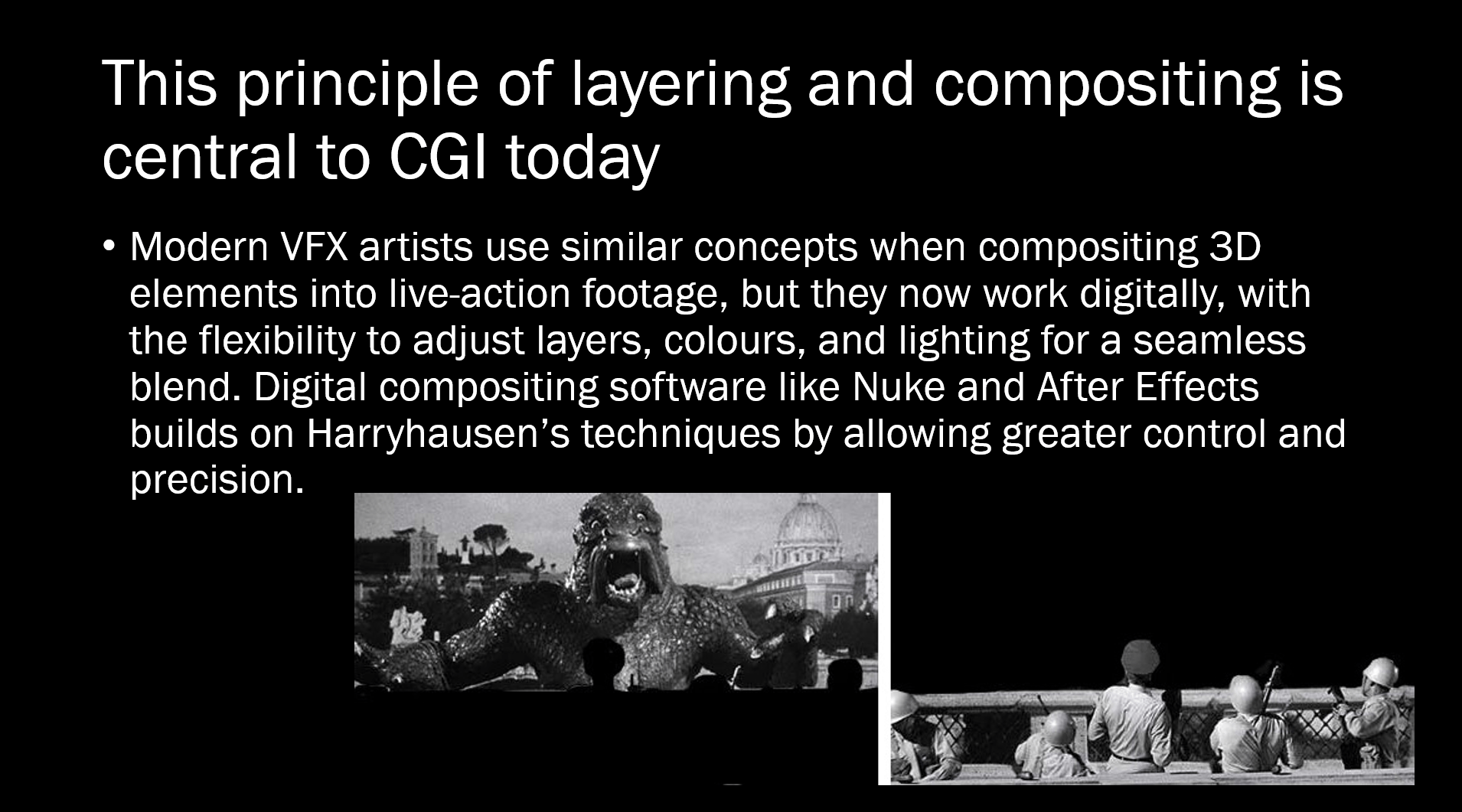
Harryhausen’s imaginary worlds were given life through the art of stop-motion animation. Uniquely amongst visual-effects technicians, he operated as a one-man industry and was responsible for creating the very concepts of the films that he animated, as well as building the creatures that featured in his work. No mere technician hired by studios to complete the special effects that they had mandated, Harryhausen would instead instigate the film projects that he wanted to work on. Heavily involved with the screenwriting process, he would also create magnificent key drawings to demonstrate the stop-motion centrepieces of his movies. These would be shown to studio heads, selling the fantastical concepts he had envisioned.
Pease read and write an annotation for: Lev Manovich – What is Digital Cinema?
Please read this and write an annotated bibliography entry for it on your digital sketchbook. Please read the section titled What is Digital Cinema?
Manovich, L. (1995) What is digital cinema? [online] Available at : https://manovich.net/content/04-projects/009-what-is-digital-cinema/07_article_1995.pdf [Accessed: 11 Nov 2024].
In this article, Lev Manovich gives us his definition of digital cinema, giving emphasis to the story of moving images. He writes about the different aspects of cinema and what composes it.
The author writes about how the cinema is not only the narrative, since its origins are more related to the art of moving images with innovative techniques and the manipulation of the same. He also writes about the different changes in the process of filmmaking and different techniques, such as handmade animated techniques and handmade matte paintings, which have been substituted by CG imagery.
He explains that in the modern era the raw footage is something that is used as a material for further composing, animating, and morphing, comparing that to the past, which was left intact, and how the process of production and postproduction has been fused into one process. He criticises that cinema and animation have become the same thing since “digital animation is a particular case of animation that uses live-action footage as one of its many elements.
Finally, he also adds that this affects the meaning of realism and narrative since you can create the ultimate digital film with 129600 frames completely painted by hand from scratch and be indistinguishable from live photography.
Lev Manovich is an artist, an author and a theorist of digital culture. He is also a distinguished professor at the /university of NEW York and played a key role in the creation of four new research fields.

